


In new journal issue, researchers warn about “Big Food’s tobacco moment”
New research suggests ultra-processed foods may be genuinely addictive, using tactics similar to Big Tobacco.
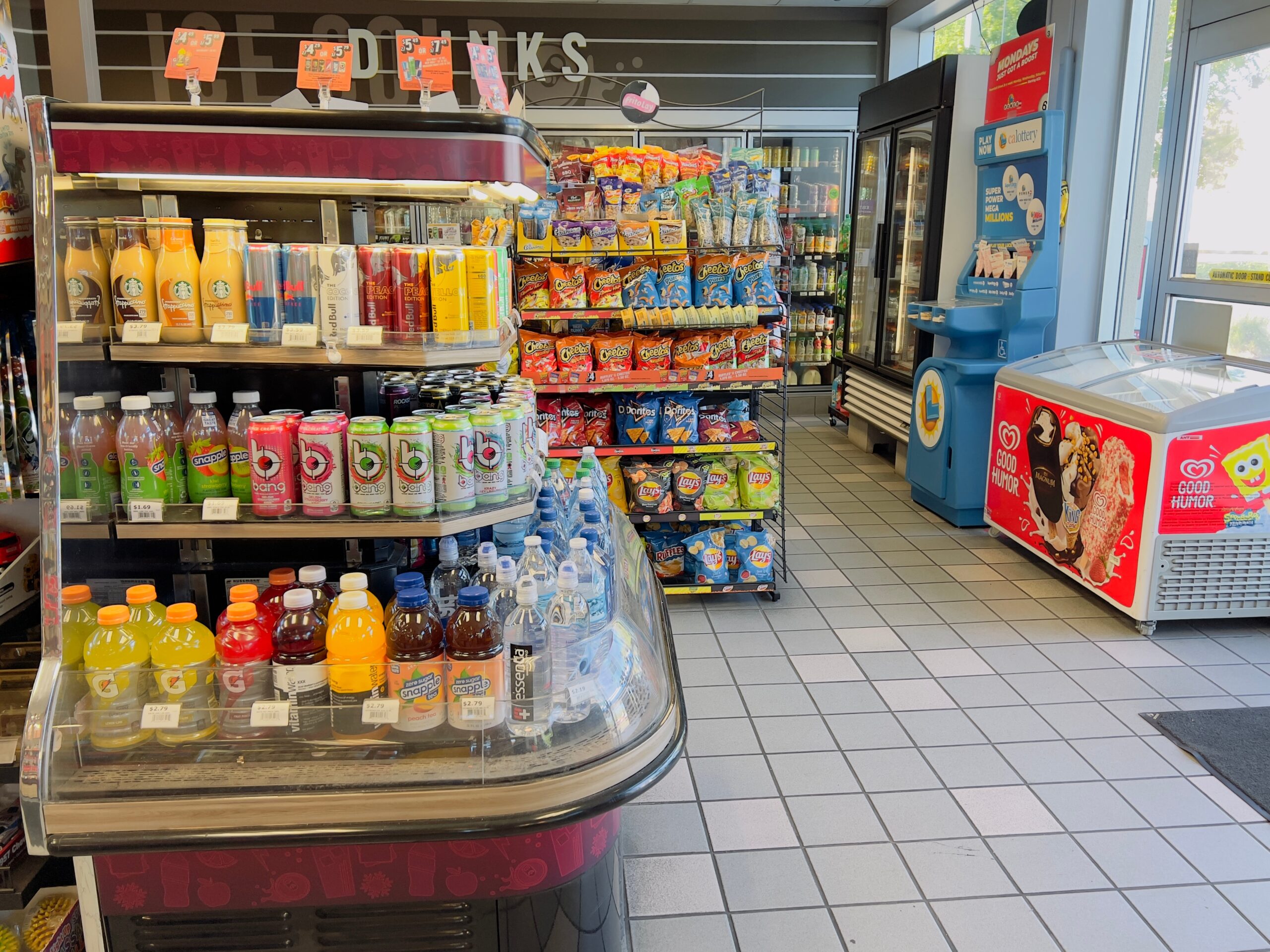
It’s not unusual for people to describe a food as addictive. Sometimes, that’s just a hyperbolic way of saying something tastes really good. But when it comes to the snacks, cookies, chips, sodas and other ultraprocessed foods (UPFs) that surround us, addictive isn’t a hyperbole: By borrowing technology and marketing strategies from Big Tobacco, food companies have created products that we truly can’t put down. With more than half of the average American’s daily calories now coming from UPFs, public health experts say it’s finally time to expose the industry’s playbook.
In its June 2026 issue, the American Journal of Public Health released a feature section focused on UPFs, one of the most wide-reaching and comprehensive examinations of their impacts so far. The release also marks the launch of a new consumer education campaign, Fed UP! Led by many of the issue’s contributors, along with several public health advocacy groups, the initiative will teach people about the harms of UPFs and the food industry tactics that have allowed them to saturate our grocery stores, schools, restaurants and homes.

This issue builds on the series of papers in The Lancet that we covered last year, by introducing new evidence on the prevalence of UPFs in our diets and the health risks associated with them, while also presenting the damning story of how they became so dominant. Several of the papers draw out the extensive connections between Big Tobacco and Big Food, exploring how the influence of tobacco companies on the food industry went well beyond the borrowed playbook of marketing unhealthy products. But if the story of the tobacco industry set the stage for the rise of UPFs, it can also help inform its downfall: The public health experts featured in this issue present a number of solutions, ranging from litigation and education to redirected subsidies and regulation, that could help rein in the influence of food companies on our food environment and reduce our consumption of UPFs.
New evidence for the holistic harms of UPFs
One of the papers presents a strong link between high UPF consumption and cognitive decline, with the researchers finding the highest consumers of UPFs were 58 percent more likely to develop dementia compared to the lowest consumers. While that observational study couldn’t nail down causation, the researchers suspect that changes to the gut microbiome could play a role. Other studies examined UPFs’ impact on other dimensions of human health, validating previous findings suggesting high UPF consumption contributes to cardiovascular problems, diabetes and other metabolic diseases as well as early death.
But the scope of harm stemming from UPFs doesn’t end there: The special issue also lays out the huge environmental footprint associated with the production, packaging, distribution and consumption of UPFs. From the industrial production of cheap corn and soy that make up the backbone of so many foods to the many layers of plastic that wrap them, the lengthy and complex supply chain for UPFs means their footprint extends beyond that of comparable less-processed options.
What makes an ultraprocessed food ultraprocessed?
One of the central questions that the special issue addresses is what UPFs actually are. As we’ve covered in the past, the researchers who originally coined the term were assessing the degree to which a food’s ingredients are processed, with ultraprocessed foods containing special, industrialized ingredients like emulsifiers, isolates, extracts and dyes that you wouldn’t typically find in a home kitchen.
But that classification system, called Nova, has left a few questions unanswered. And when it comes to understanding the harms caused by UPFs, or crafting policies to address them, some have called the Nova system inadequate, especially because it does not actually attempt to quantify nutrient density or whether or not a particular food is “healthy.” Groups like the U.S. Food and Drug Administration (FDA) have struggled to create their own definitions of UPFs that incorporate that nuance.
One of the biggest questions is what to do about UPFs that are marketed as healthy — those that use highly processed ingredients in foods that, at least on paper, are in good nutritional standing — and whether they’re meaningfully different from those we would more readily label as junk food. That includes everything from packaged whole wheat breads to protein- and fiber-enriched cereals, granolas and pastas. All the rage in fitness and sports circles, many of these foods offer more protein, more fiber, less fat or less sugar than their less-processed counterparts. But the question of whether or not these have the same adverse effects as soda and packaged snacks has troubled researchers and policy makers.
One paper looked at a large dataset that tracked participants’ diets and health outcomes over decades, then analyzed both the nutritional density of their diets and their UPF consumption. Participants who consumed more UPFs saw greater rates of chronic disease and death, and while some of those risks were reduced when they ate more nutrient-dense foods, they didn’t disappear, suggesting that UPF consumption, whether from nutrient-denser options or traditional junk food, still contributes to health problems. Interestingly, when the researchers adjusted the data to control for differing intakes of saturated fat, sugar and sodium, there was little change, suggesting these factors weren’t the main contributors to the health problems associated with UPFs.
Even though most experts highlight those empty calories and excess sodium as the biggest reasons UPFs are unhealthy, this research points to the reality that there’s more going on. That’s something that the originator of the concept of UPFs, Brazilian researcher Carlos Monteiro, explores in an essay in this issue examining what makes ultraprocessed foods distinct.
Monteiro argues that while excess salt, sugar and fat might be the most obvious problems with UPFs, they aren’t their defining ingredients: Less-processed foods can also share those qualities, after all. It’s the presence of substances and additives that are mostly used in industrial settings that sets UPFs apart — but not because they’re intrinsically unsafe or unhealthy. Instead, it’s what they allow manufacturers to do: Use lower quality ingredients and cut costs without sacrificing texture or flavor, make a food more craveable, or keep the products on the shelf for a longer period — all functions that are central to the business of selling huge quantities of cheap, nutritionally empty food.
Ultimately, the Nova system’s simplest heuristic — asking whether a food’s ingredients are all things you would use in your home kitchen — is less about the health of those ingredients and more about determining who made the food. The presence of those industrial or cosmetic additives, Monteiro argues, indicates that the food was probably made by a large multinational, one that cares far more about profits than public health.
Big Tobacco’s pivot to food
That assessment might feel conspiratorial — after all, aren’t most companies just trying to make money? But the package’s other essays offer evidence that food companies have purposely misled the public about the risks they knew their products presented, borrowing directly from the same playbook Big Tobacco companies used to mislead the public after the 1964 Surgeon General’s report brought widespread public attention to the dangers of smoking.
In fact, that might be too gentle a charge: As one essay details, tobacco companies like Phillip Morris and R.J. Reynolds actually bought up many food companies from the 1980s onward, capitalizing not only on similar industrial supply chains, but also the ability of every successful large-scale consumer-goods manufacturer to suss out, and in many cases, shape, what the consumer wants. In Latin America and Asia, these companies were often the first to introduce UPFs to the mass market.
The newly formed cigarette-and-food conglomerates took many of the same techniques they had used to keep selling cigarettes in spite of mounting health concerns and used them to bring ultraprocessed foods to international dominance — marketing smaller servings as snacks rather than desserts, reformulating products to avoid warnings about excessive fat or sodium, and promoting “high-flavor” formulations that promised more satisfaction from smaller portions.
Although some of these acquisitions have not lasted — many snack companies purchased by tobacco giants have since been divested — the marketing strategies have persisted. But as one of the editorials in the package points out, there’s a critical difference between food and cigarettes: We have to eat.
And that simple fact has made it especially easy for companies to market UPFs to one group of people in particular: stressed out and poor parents. As one case study in the issue details, under the direction of Phillip Morris, Kraft developed Lunchables to appeal to both children and overtaxed moms. They reformulate the meal kits constantly to convince parents Lunchables are an easy, cheap and healthy alternative to “junk foods.” They also conducted extensive research on children and their deepest motivations, ultimately inventing a product that blurred the line between a toy and food, one that’s been continuously repackaged with different promotional partnerships and new flavors to stay novel. Kraft even repurposed proprietary technology originally developed to remove nicotine from tobacco products and used it to create lower-fat formulations of Lunchables.
That approach — getting a dual foothold by saving time for parents while appealing to kids — has allowed UPFs to shape the tastes of generations of eaters, especially in lower-income communities where companies have pushed their products the most. Over the years, the combination of ever-escalating advertising and increasingly entrenched consumer preferences for UPFs has radically reshaped the options people see on shelves. As one of the new papers shows, the prevalence of food swamps — areas full of fast food options and convenience retailers that mainly stock nutritionally poor UPFs rather than whole and less-processed foods — increased substantially in the last 20 years, without a significant reduction in the areas that qualify as food deserts (those with poor access to grocery stores). These problems are especially pronounced in rural and low-income areas.
Fighting back against Big Food
With UPFs saturating so much of our food environment, it’s clear that overconsumption is essentially the default; if people want to change their diet, they have to work hard to opt out. But much like smoking, overconsuming UPFs is still often painted as a problem of individual willpower rather than the natural result of a broadscale food marketing and distribution system built to encourage unhealthy eating.
Thankfully, the connection to tobacco could ultimately offer some solutions. Litigation, for one: Lawsuits mirroring state attorneys’ general action against tobacco companies could play a big role in turning public opinion against UPF manufacturers and holding them liable for the harms caused by their products. Legal action, like the case brought forward by the City of San Francisco last fall, could bring real monetary compensation to governments burdened with the immense public health cost of unhealthy diets, at direct expense to companies that push unhealthy foods. Over time, that could persuade manufacturers to consider divesting from UPFs.
Researchers also highlighted some of the regulatory options that could be deployed on a state or federal level, including tighter enforcement of additive reviews, bans on certain ingredients common in UPFs, and more. Ultimately, however, any regulatory approaches also need to be tethered to policies that help change what makes UPFs so appealing in the first place. Just as important as regulating food processing are policies that increase household income, increase food assistance benefits, and allow people to spend more time at home preparing food from scratch.
In a press conference accompanying the release of the special issue, contributors offered additional ideas for ensuring equity remains at the forefront of effective policymaking against UPFs. Settlement funds from litigation could be directed toward better food and health infrastructure in communities most affected by UPFs. And money saved by banning UPFs from SNAP could be redirected toward additional benefits targeting fruits, vegetables and other whole foods.
But with equity among the terms that have been scrubbed from public policy under the Trump administration’s mandate to end Diversity, Equity and Inclusion initiatives, these ideas might seem like a long shot. At the same time, there are signals that people are eager to support policies that will curb the food industry’s power. Even outside the Make America Healthy Again (MAHA) movement, which has focused heavily on certain food additives, polling presented in the new papers reveals that people across the political spectrum are tired of ultraprocessed foods, and would support moves like public litigation against the food companies that have pushed them.
Key takeaways
- A report in the June 2026 issue of the American Journal of Public Health looks at the health problems associated with ultraprocessed foods (UPFs) and draws parallels between Big Tobacco and Big Food, arguing that some food companies adopted tobacco industry strategies to create and sell ultraprocessed foods.
- Calories from ultraprocessed foods now make up more than half of the average American’s daily calorie allowance. UPFs are linked to higher risks of chronic diseases, including cardiovascular disease, diabetes and cognitive decline.
- Ultraprocessed food’s impact extends beyond nutrition to include environmental consequences as well. Producing, packaging and distributing ultraprocessed foods typically requires more resources and generates more waste than less-processed alternatives.
- Experts say meaningful change requires more than individual choices. Legal challenges against the food industry, stronger enforcement of new and existing policies, public education, and improved access to healthier foods can help the fight against ultraprocessed foods.
Related Posts
 Public Health, The Industrial Food System
Are we getting any closer to defining and labeling ultraprocessed foods?
October 15, 2026
As concerns about ultraprocessed foods grow, defining and regulating them remains a challenge. While California has taken a step toward a clearer definition, meaningful federal policy has stalled.
 Public Health, The Industrial Food System
The ongoing PFAS problem
October 5, 2026
PFAS are once again making headlines as the Trump administration rolls back efforts to regulate and remediate these “forever chemicals.” Here’s what to know about PFAS, how they get into our food and what you can do about them.
 Public Health
Understanding food recalls: Why they happen and what you can do about them
September 24, 2026
Lately, it seems like there’s a new food recall in the news every day. Here’s what to know about why foods are recalled, how the recall process works and what to do if you have bought a recalled product.