
What to do when your favorite “better” brand gets called out online
For the ethical consumer, who strives to choose food products that are environmentally friendly, healthy and free of labor problems or toxic packaging, focusing on companies with good reputations and trusted labels has been an easy shortcut. This one is the good chocolate company. This one does eggs the right way. But what about when those long-trusted brands pop up in the news or on social media for being “less than” what you hoped?
In the past few weeks the popular food companies Vital Farms and Kerrygold butter have been raked over the social media coals, the targets of internet food sleuths with varying degrees of expertise. Our current cultural moment has bred a type of social media inquisition led by regular people and wellness influencers who are using the true crime podcast playbook to become digital detectives. As we all know, some true crime fanatics have actually solved long unresolved murder cases. But many of them merely fan the flames of speculation to turn the ordinary into the suspicious.
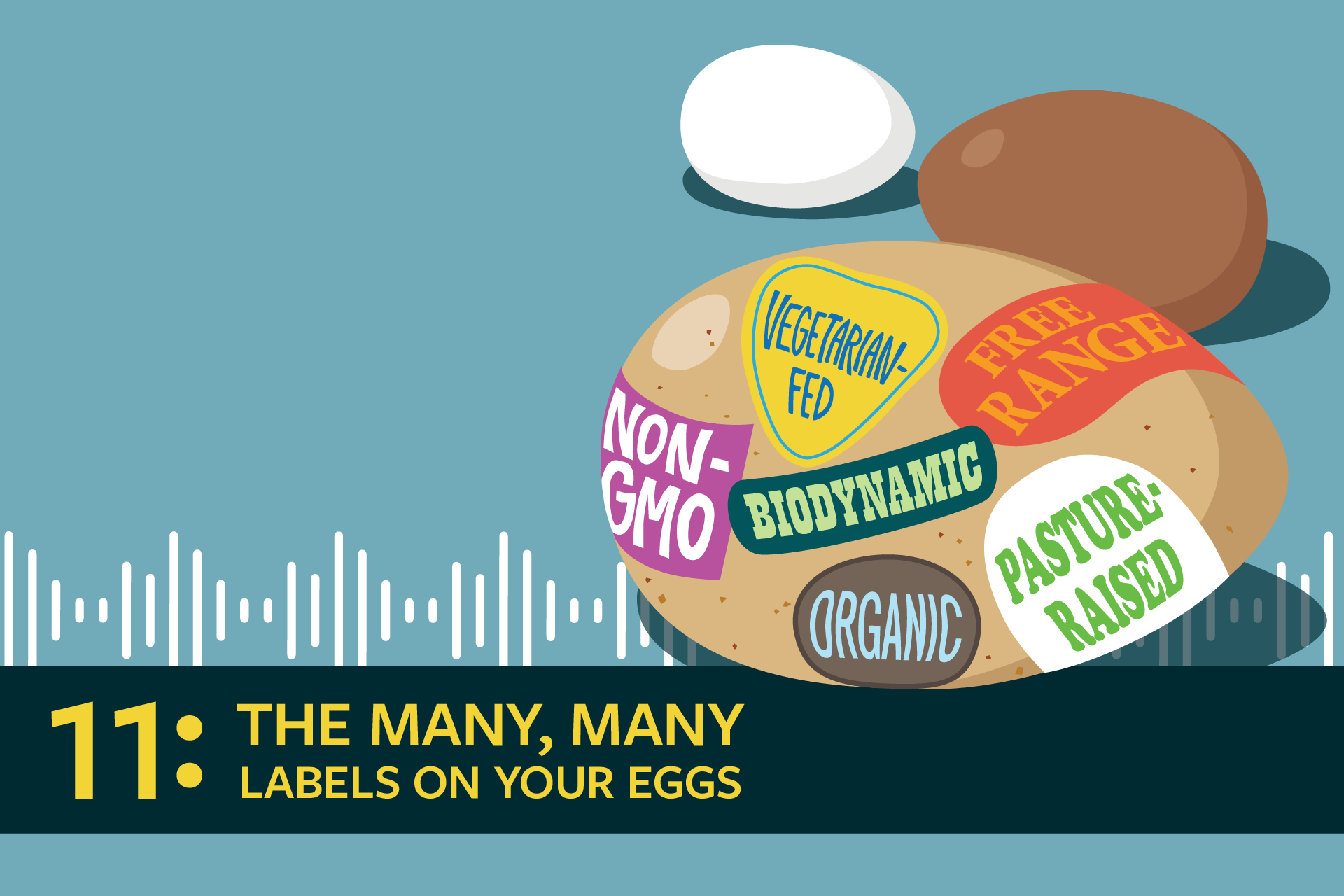
For Vital Farms, there were revelations that their eggs might not be as pasture-raised as their marketing suggested; for Kerrygold butter, it was the discovery that the butter might not be made from the milkfat of exclusively grassfed cows, which is what people had reasonably assumed from the packaging.
But discoveries like these — with companies having to do PR rehabilitation or in some cases even shutter their doors — are not new. Many will remember when the once-beloved butchery company Belcampo Meats, which promised regeneratively produced meats and a short supply chain, was revealed, after a period of explosive growth, to be selling at least some industrial meat repackaged as their own. Consumers were rightly horrified and many felt not just betrayed, but let down that the pastoral fable brought to that large scale was perhaps a pipe dream.
Finding out that things are not as they seem is extremely disappointing. For some of us, there can be a kind of mourning — Et tu, Brute? It can also be infuriating when these products are much more expensive than their less-ethical, less-green or less-greenwashed counterparts.
How to discern fact from fiction
In each case of purported fraud, it’s important to figure out how to make sense of what you’re reading or hearing.
When evaluating claims, especially impassioned ones from TikTok whistleblowers whose livelihood comes from likes and follows, it’s important to wear a skeptic’s lenses. First: The claim might not be true. Second: It might be true, but it might not be worthy of true worry or concern. Third: The claim might be true and might be concerning, but it’s an issue that all similar products have — and this particular product is not unique.
First: The claim might not be true. Second: It might be true, but it might not be worthy of true worry or concern. Third: The claim might be true and might be concerning, but it’s an issue that all similar products have — and this particular product is not unique.
Are you using trusted sources — for example, credentialed experts and/or nonpartisan organizations — as your guide? And how well do you understand the complicated processes by which food is made and marketed? If you aren’t so sure, which is nothing to be ashamed of, you can use this as an opportunity to learn and try to understand more deeply.
What’s happening with Vital Farms?
Vital Farms is a pasture-raised egg company that was heralded early on for its rotational hen grazing. The cartons are really hip and cute, contain a couple of certifications, including “Certified Humane,” and a lot of what we at FoodPrint would call “claims,” such as “tended by hand,” “happy hens,” “made with fresh air and sunshine,” and so on.
A TikTok user recently did an exposé, revealing the results of an earlier egg test that had shown high levels of linoleic acid in Vital Farms’ eggs, which he said indicated that the hens had been fed a lot of corn and soy. This TikTok user was outraged, called it greenwashing, and blamed it on Vital Farms’ explosive growth following its sale to private equity. So many people saw and shared the video that it spawned many other videos and caused a boycott of Vital Farms eggs. Many people online claimed they threw out the eggs in their fridge out of disgust. (Please don’t do that!)
What does “pasture-raised” mean and if a company says they do it, can you trust that they do?
There is no certified pasture-raised label. So even though true pasture-raising is the ideal for hens and their eggs, and companies are supposed to actually be doing it if they put it on a label, there’s no consensus on what “pasture-raised” means. If you want the best possible version of “pasture-raised” and you want it guaranteed, you need to look for a high-quality third-party label like “Animal Welfare Approved.” Learn more about egg labels here, including Certified Humane and Certified Organic (some Vital Farms egg products are Certified Organic, some are not. Note that Certified Organic does not indicate pasture-raised).
Scale and availability
In most parts of the country, you can’t pasture-raise hens year-round 100 percent of the time because of the weather. It is completely normal for hens to be given supplemental feed, and Vital Farms has always been transparent about this on their website.
We have a tendency to fall prey to marketing claims because we want to believe them. But you should always bring your critical mind to the supermarket, too. Think of it this way: When you see a company’s product in every grocery story in the country, year-round, it means that company is huge. If it is working at such a tremendous scale, what is the likelihood that its millions of hens are all out on pasture for the majority of their days? Once you consider it critically, the answer might reveal itself.
Linoleic acid fears
The linoleic acid that the testing found in the eggs might sound like a dangerous chemical, but that’s just another way of saying omega-6s, which are perfectly safe oils that we eat in other foods all the time. We actually need to eat some omega-6s since our bodies can’t make them. The higher-than-expected levels of omega-6s are simply an indication that the chickens were eating supplemental feed like corn and soy that are higher in linoleic acid.
Seed oil fears
There’s a connected fear or misunderstanding here about seed oils, omega-6s and whether they contribute to inflammation in our bodies. Despite what you might be hearing from many voices in the wellness industry, there’s still a general consensus among scientists that seed-derived oils (such as canola and corn oil) are safe and healthy for consumption, and that the problems people associate with them have more to do with the unhealthy, often ultraprocessed foods they’re used in. Even if you are still concerned about limiting your omega-6 intake, it’s worth noting that, in previous testing, even conventional eggs had less than a gram of omega-6s per serving, and the Vital Farms eggs still had significantly less than that.
Omega-3s
One of the most-touted benefits of choosing pasture-raised eggs is their higher omega-3 content, which the chickens get from eating plants and insects. Like omega-6s, omega-3s are also an essential oil, but they’re a little harder to find outside of seafood and certain nuts and seeds. While the exposé didn’t directly address omega-3 content, it did show a higher than expected omega-6 to omega-3 ratio. This is disappointing if you were looking to Vital Farms eggs as a primary source of omega-3s, but like linoleic acid, the overall amount of omega-3s that even the best eggs supply is significantly less than sources like fish.
What’s happening with Kerrygold butter?
Kerrygold was another target of the same TikTok sleuth. This time, the issue was the grassfed claim, as well as a revelation that the butter’s wrapper tested positive for PFAS. There was also a generalized disappointment that this discovery was in contrast to the good vibes Kerrygold has projected (or that we as consumers have projected onto them, who can say?).
As with the pasture-raised designation for eggs, there’s no one set of standards in the U.S. for what it means for dairy to be grassfed. As you can read in the label guide on our website, there are a few different certifications that have their own standards outlining the exact boundaries of “grassfed,” with most excluding supplemental grain feed. But Kerrygold never used any of these certifications, nor did it claim their cows were 100-percent grassfed. The butter did say “milk from Irish grass-fed cows,” which, depending on how you read it, looks a lot like a 100-percent grassfed claim, something that the butter’s marketing — cows in a verdant pasture — supports.
Kerrygold’s explanation of their practices makes it clear that we were supposed to be reading that label and vibe a little differently, with the emphasis on the fact that those special cows had the opportunity to eat this rarified Irish grass, just not in isolation. That’s a bit of a cop-out, though at the end of the day, the cows do eat mostly fresh and dried grass with small amounts of supplemental feed, per the stipulations of Ireland’s Sustainable Dairy Assurance Scheme. But given the marketing, it’s not unreasonable that people would feel misled. Much like with pastured eggs, some people were turning to grassfed butter for health reasons; but once again, even if grassfed butter has more omega-3s and Vitamin A than conventional butter, it’s still not the best source of those nutrients either way.
PFAS and food wrappers
The other allegations against Kerrygold center around the use of PFAS, or “forever chemicals,” in their packaging. PFAS grant nonstick and greaseproofing properties to everything from pans to paper goods, but they’ve come under intense scrutiny in the last few years as more and more research has linked them to cancers, birth defects, endocrine disruption, immune system impairment and a host of other health problems. Worse, they don’t ever break down under normal conditions, making them prone to accumulating in the environment or even in our bodies.
Despite those concerns, it’s still common for food companies to incorporate PFAS into their packaging, and until recently, Kerrygold was no exception. In 2023, the brand temporarily recalled its products in New York and California in response to new laws mandating food packaging be PFAS-free, setting off a wave of indignation from customers who didn’t realize it had contained the chemicals in the first place. That included a class action lawsuit, which claimed the brand’s label of “Pure Irish Butter” was misleading if PFAS from the wrappers migrated into the butter. As with “Irish grass-fed,” Kerrygold’s parent company argued the language was meant to reflect that the butter was purely Irish. Both sides eventually agreed to drop the case.
Kerrygold says that its butter packaging today is made without PFAS and compliant with PFAS bans, though they don’t use the term PFAS-free, presumably to avoid any future “gotcha” moments from independent testing. This is because even products manufactured without intentionally added PFAS can still contain them thanks to cross contamination during any part of manufacturing, leading to potential positives during testing. To that effect, one recent analysis claimed the new packaging was still positive for the fluorine compounds often associated with PFAS. But Kerrygold also isn’t alone in this: Many sampled butter brands also had varying amounts of residual fluorine. What these tests don’t determine is whether these PFAS have actually moved into food. How that migration happens and when to be worried about it is something that researchers are still unpacking. In the meantime, looking for foil-based options or those that say they’re manufactured without PFAS is a good first step for reducing exposure.
Where does that leave us?
The most important takeaway in both of these cases: None of the products that have come under fire recently are harmful to your health.
But there will surely be more sensational stories that cause consumers to question their beloved brands and other food choices. Does Tony’s Chocolonely have enslaved child labor in its supply chain? Does Dave’s Killer Bread have glyphosate in it? Whatever real or sensational claim you encounter on TikTok or Instagram is worthy of your investigation. The best way to prepare is to stay informed.
You might decide to learn about more rigorous labels, or to pick a different product going forward, or to eschew the grocery store completely (if you’re able) and buy directly from producers you trust who have really top-notch practices. Here at FoodPrint we are all about promoting good practices, educating consumers about what labels and claims to look for (and what each one truly means), and leading people toward products that support a better system for animals, people and planet. We’ve listed some suggestions for further reading and listening below.
Some further reading and listening
Top photo by Stockphotoman/Adobe Stock.
More Reading
What if we imagined the fates of humans and animals as interconnected?
April 10, 2026
RFK Jr. calls for regenerative agriculture — companies heed the call by greenwashing
April 6, 2026
Oats can improve soil and water quality. All that’s missing is a market for them.
March 12, 2026
California's new folic acid mandate for tortillas sparks controversy over fortified foods
February 27, 2026
MAHA wants to reform food, health and scientific systems — why is it ignoring nitrates?
December 18, 2025
From goldenseal to reishi, what is the true cost of the wellness industry's obsession with wild foods?
December 2, 2025
The invisible immigrant labor sustaining America’s chicken obsession
October 21, 2025
Can extended producer responsibility programs push food companies to use sustainable packaging?
October 16, 2025
The meat industry smeared the Planetary Health Diet. Now its creators are back with more evidence.
October 10, 2025