
How SNAP recipients ate when the benefits ran out
No matter how many times she crunched the numbers, Kelly Lennox couldn’t make the math work. The 64-year-old Baltimore, Maryland, stagehand lost her modest income in May 2024, after she got hit by a car while riding her e-bike. Her expenses far exceeded her $1,675 in monthly disability benefits: mortgage, $1,800; car payment and insurance, $600; hospital and surgery bills for a punctured eye and broken ribs, shoulder and collarbone, $8,000. One tiny win: The SNAP benefits she applied for after the accident were enough to cover groceries.
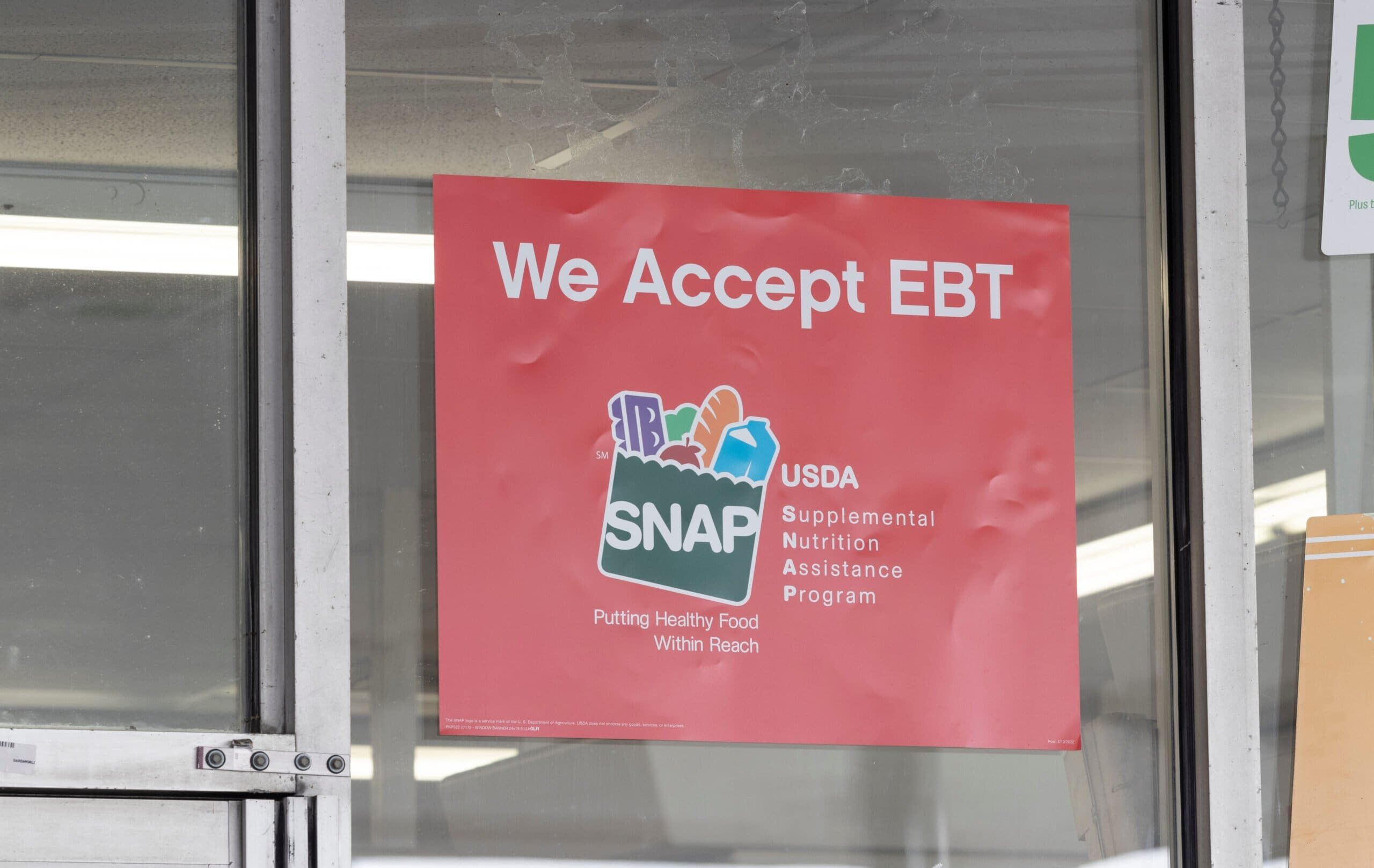
That cushion ended on November 1, one month into the U.S. government’s 43-day shutdown, when funding for SNAP (the Supplemental Nutrition Assistance Program) ran out and the Trump administration refused to replenish the program. (For some people, though, benefits dried up sooner.) Lennox was forced to figure out where to source food beyond the supermarket and how to make the remaining $50 on her SNAP debit card last. Still today, with her benefits restored to $198 a month, she’s second-guessing her shutdown grocery math. “I put my EBT card away instead of stocking my cupboard with dry goods and found out too late that if you went to the farmers’ market with your empty card, they would give you $20” in coins to use at the market, she says regretfully.
Lennox was just one of almost 42 million people across the country who spent weeks not knowing when or if their food benefits would ever flow again — stretching, scrimping, searching for new ways to access cheap or free groceries. With 4 million people expected to lose some or all SNAP benefits in 2026, thanks to the One Big Beautiful Bill (OBBB), many families will likely redeploy these desperate, meant-to-be-temporary strategies soon and possibly even for the long haul. Here, FoodPrint explores how hungry Americans — and the food banks that serve them — coped during the shutdown, and what their future looks like under the OBBB.
Food-saving strategies from the field
Americans affected by the shutdown reported skipping meals, bypassing costly meat at the supermarket, using 1 pound of ground beef instead of 3 pounds to make a meal for a family of eight, and dumpster diving outside a local Walmart.
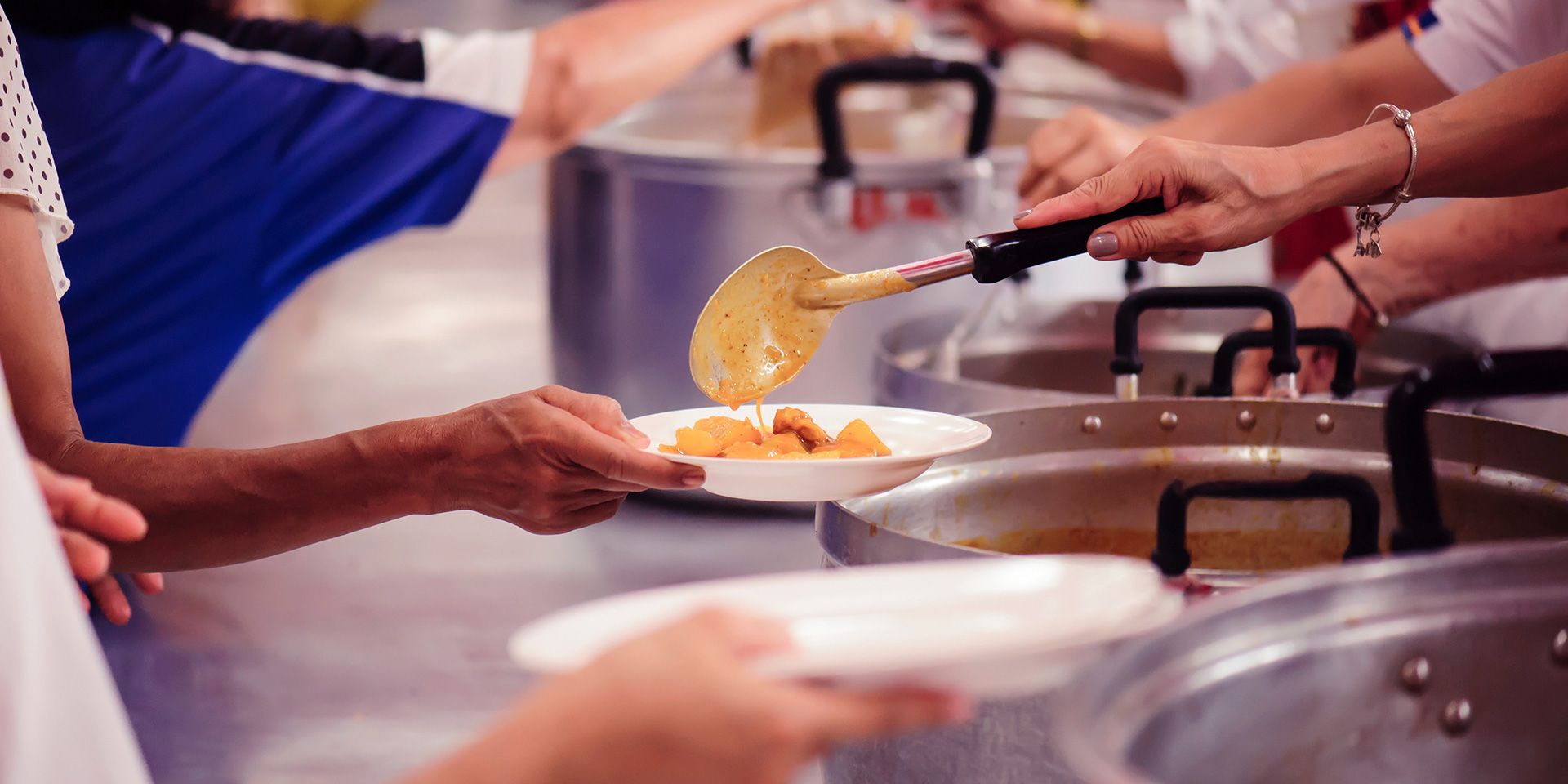
Lennox got eggs from friends, harvested tomatoes from her garden, sourced dog food for her pets from a nearby church. And, despite deep feelings of shame, she visited a local food pantry. In this she was not alone. Food banks, which act as distribution centers for food pantries, were already stretched thin due to rising grocery costs and income inequities, and they saw a massive spike in need during the shutdown. One food bank that serves parts of West Virginia, Ohio and Kentucky, saw an 1800 percent rise in clients. It wasn’t only customary SNAP recipients who turned up for food. “There’s about 16,000 government employees that live in my 12 counties,” says Nicole Williams, CEO of the Community Food Bank of Central Alabama (CFBCA). In six weeks, CFBCA provided an additional 206,000 meals, many to TSA, air traffic control, Air National Guard, Army Reserve and Talladega National Forest employees. “The government employees, this is not a place that they normally are. A lot of those folks didn’t know how to find food or where to find food,” Williams says.
For Sheena*, a young mother of a kindergartner living in Murfreesboro, Tennessee, food pantries weren’t an option: “There was literally no food [left] in the food [pantries], no food in the blessing boxes” (streetside giveaways orchestrated by neighbors). When Sheena first signed up for SNAP three years ago after escaping an abusive relationship, $592 worth of benefits saw her through the month. Once she started working at a daycare facility, where she earns less than $400 a week, her benefits were reduced to $363, which lasted two and a half weeks; they were further reduced to $303 — with no explanation — after the government reopened.
For nearly five SNAP-less shutdown weeks, “I shopped whatever coupons I had first,” Sheena says, usually at Kroger, and she planned two weeks’ worth of meals at a time around those. She stocked up on 40-cent cans of vegetables from Aldi, tossed dried beans in a slow cooker while she was at work and carefully froze any leftovers. She bought (cheaper) fresh fruit in season for her “fruit-head” daughter and checked the meat sales at Jr’s Foodland. She’s not sure how she’s going to survive with her new, reduced benefits and not a single more hour in the day in which she can attempt to earn extra income — she already drives for DoorDash and Uber on evenings and weekends. And she no longer trusts that her SNAP benefits will come on time, if at all. “If I get my benefits next month, it’s a miracle,” she says.
In Nashville, Vickie Southern cares for her grandniece and two grandnephews, aged 10 to 14. When she got a text saying her monthly $600 in SNAP benefits would not arrive in October, “I’m like, Well, how’s that gonna work?” she says, especially with a football-playing teenager in the house. Southern plundered her two deep freezers, packed mostly with chicken she’d bought on sale, and the canned goods in her pantry, until everything was used up; her daughters occasionally came to make a meal, too. “We made it through, we survived it,” she says. However, like Sheena, when her benefits were replenished they were greatly reduced, by about half. And Southern isn’t sure how she’s going to manage through winter beyond abolishing all treats and breakfast cereal from her grocery list. Still, she says, “I just worry about those kids that’s out there in this world that really need more than what they’re getting.”
“I just worry about those kids that's out there in this world that really need more than what they’re getting.”
How food banks and pantries coped
It wasn’t just individuals who were forced to make do during those 43 days. Food banks and pantries also dug deep to help clients in need. At the Oregon Food Bank (OFB), which oversees 21 partner food banks and more than 1,200 food distribution sites across the state, “Starting around October 10, we started to mobilize a lot of our staff, just preparing for how we’re going to handle this influx” of hungry people, says OFB communications strategist Rachael Jackson-Davis. “SNAP provides nine meals for every one meal that we can provide, so we knew immediately that this wasn’t going to be something that we could fill in the gap for.” What they could do: get word out to clients that they should “shop” the food bank first before spending limited SNAP dollars and cash at the supermarket; and remind them about Double-Up Food Bucks at the farmers’ market, which matches SNAP dollars spent on produce.
CFBCA’s Williams says that when the shutdown began, “We started identifying federal employees who we knew were not going to get paychecks, and we started making alliances and opportunities to provide food for those people.” That meant setting up targeted distribution sites, including at the Birmingham Airport. That way, “When people came off their shift, they could run through and pick up a box … with all their other colleagues. Feeding people with dignity is really important to us.”
A month later, when SNAP payments stopped being issued, “We went into disaster mode,” Williams says. Williams made detailed spreadsheets of when all 300 CFBCA partners were giving out food boxes and serving meals, which clients could access on their website. Volunteers — 80 percent of whom had never volunteered with CFBCA before — began assembling extra foodboxes for distribution. Williams fundraised constantly in order to ramp up food purchases. It can take two weeks for a bulk food order to arrive, “So our food sourcer was talking to brokers and saying, ‘What do you have that’s ready to ship? We can’t wait, how quick can it be here?’ And we made decisions based on how quickly we could get items,” Williams says. “We just incrementally bought and bought and bought, trying to keep up with what we knew was coming in, so that we weren’t in the hole.”
After all that additional labor and stress, Williams would love to take a breather and to revel in a difficult job well done. However, thanks to the OBBB, come January, “We are headed toward the biggest cut in SNAP history, and that is also going to present a lot of challenges for families and individuals,” she says. “That’s going to put a lot of pressure on the food-banking system.”
*A pseudonym to protect anonymity
Get the latest food news from FoodPrint.
By subscribing to communications from FoodPrint, you are agreeing to receive emails from us. We promise not to email you too often or sell your information.
More Reading
The invisible immigrant labor sustaining America’s chicken obsession
October 21, 2025
For these cocoa farmers, sustainability and the price of beans are linked
September 17, 2025
How the current immigration crackdown is impacting food and farmworkers
August 27, 2025
City-owned grocers may be a lifeline for the food insecure — but they're not the only public model
August 14, 2025
Restoring Native foodways requires returning land. What happens when it's contaminated?
June 10, 2025
Big Banana’s bitter labor truths
May 13, 2025
The racist roots of Black land loss
February 25, 2025
Why worker welfare is critical to truly “sustainable” wine production
January 10, 2025
How we came to rely on emergency food
September 30, 2024