
Forget the dietary guidelines — Marion Nestle will help you figure out what to eat
What if you could walk through a grocery store, aisle by aisle and shelf by shelf, with the foremost nutrition expert in the country right by your side? This person — who holds a PhD, an esteemed position at a top university, and who has published extensively on the topic over a decades-long career — could plainly and with tremendous clarity and common sense, break down what each product is, whether or not it’s good for you, whether or not it’s worth the price tag and what kind of deceptive advertising or labeling it might be employing. While I can’t tell you how to procure that exact service, I can recommend a book that serves the same purpose.
The book is by Marion Nestle, Paulette Goddard Professor of Nutrition, Food Studies, and Public Health, Emerita, at New York University. Nestle retired at some point in the past decade, but you wouldn’t know it. How could she stop teaching us when parsing what food to eat — if you’re trying to be healthy and/or make more environmentally friendly choices — has become harder by the day? Mind you, the nutrition facts of life have not changed much. The advice Nestle consistently offers sounds a lot like what Michael Pollan urged two decades ago: “Eat food. Not too much. Mostly plants.”
But, as Nestle points out early in the new edition of her 2006 book, “What to Eat,” which is now called “What to Eat Now: The Indispensable Guide to Good Food, How to Find It, and Why It Matters”: “If Pollan’s advice seems absurdly oversimplified, it is surely because the devil is in the details: so many places to buy food, so many products to choose from, and so much contradictory advice.”
Sometimes the well-meaning nutrition establishment has been at the root of this contradiction and confusion (think of their anti-fat/pro-carb stance in the 1990s, which they’ve since reversed). More recently, the federal government has contributed to the confusion with the release of their Dietary Guidelines for Americans, which Nestle described as “cheerful, but muddled” as well as “contradictory.” But Nestle explains in her book that our confusion and lack of comprehension can also be traced to food companies, who have only one goal: “to sell food products no matter what they do to or for your health.” This leaves well-intentioned consumers swimming upstream, beating back the current of food that is not very good for us (although possibly marketed or labeled as such), and that we are being urged to eat in great quantities.
What’s changed and why are we all so confused?
So why do we need an updated version of Nestle’s aisle-by-aisle guide to understanding everything from nutrition labels to baby food, GMOs to supplements? There’s a lot of confusion right now about what to eat; maybe you yourself are one of those very confused people. Why are we all so at sea?
Health confusion
There’s the question of various foods’ healthfulness: Is green tea actually better for me than other caffeinated beverages? Are seed oils bad? What are ultraprocessed foods and are they killing me? Is organic food better for me/worth the price tag? (And, actually, is there even a price difference? Nestle treks around to various grocery stores to explore and the results might surprise you!) These questions are, in our daily lives, harder to answer when you factor in deceptive labeling, muddled and contradictory dietary guidelines, MAHA propaganda and a wave of not necessarily well-informed nutrition influencers chirping in our ears. Nestle lacks the quippy outrage of a Dr. Jessica (who does excellent debunking of problematic influencer “science”). Instead, she will talk you through these questions calmly, giving you the full backstory, and sometimes ending in a conclusion that lacks a single, clear directive. An example would be Nestle’s discussion of how to balance the nutritional recommendation to eat more fish with the reality of many fish being full of mercury or raised on unsustainable fish farms. Spoiler: If you were expecting a tidy answer, there isn’t one.

Too many choices
Then there’s the question of choice overwhelm in a grocery landscape that has changed a lot. Nineteen years ago, when the first edition of the book came out, plant-based milk was merely soy milk or rice milk and mostly living its life on the fringe. Now when you look for plant-based milk, you can choose from a vast array of pea milk/coconut milk blends, oat milk options and almond milk permutations, among others. The term ultraprocessed foods was not common parlance — mostly we talked about “junk food” (to this day, many remain confused about what’s what). “Functional beverages,” from mushroom coffees to ashwagandha teas, didn’t exist as a grocery category. And maybe most significantly of all, nearly everyone bought their groceries in person back then, at a brick-and-mortar store. The aisles we peruse today are often virtual.
What’s worth a higher price tag?
Navigating real or virtual supermarket aisles lousy with choices and inscrutable labels (marginally helpful at best, duplicitous at worst) is daunting, especially in this time of record-high food prices and economic insecurity. As of September 2025, grocery prices were up 29 percent since February 2020, according to the Bureau of Labor Statistics. With the average pastured organic egg currently costing two or more dollars more than a conventional egg, choosing a specialty label should be a well-considered decision. Choosing what to pay a premium for is perhaps more loaded than ever.
Marion Nestle is here to help
As The New York Times opined last spring in a glowing profile, Nestle was made for this moment, even if it sounds especially onerous for a “retired” 89-year-old to have to update a book of this size (around 800 pages).
One of the many things that sets Nestle apart is her levelheaded insistence on discussing food and nutrition in the context of the whole diet, focusing on broad patterns rather than obsessing over particular nutrients or individual ingredients. That puts her squarely at odds with many self-proclaimed experts on social media, who tend to laser-focus on one nutrient (usually protein) or demonize individual ingredients like seed oils. In addition to looking at the full nutritional picture of our diets in a nonhysterical way, she does not shy away from politics. After all, her seminal 2002 book was called “Food Politics,” and that remains the name of her regularly updated blog. When looking at nutrition, she consistently factors in critical influences like policy, environmental sustainability, animal welfare and labor.
“Dairy foods are foods. They can be part of healthful diets but are not essential … but I want the dairy industry to stay out of matters of public health or dietary guidance policy.”
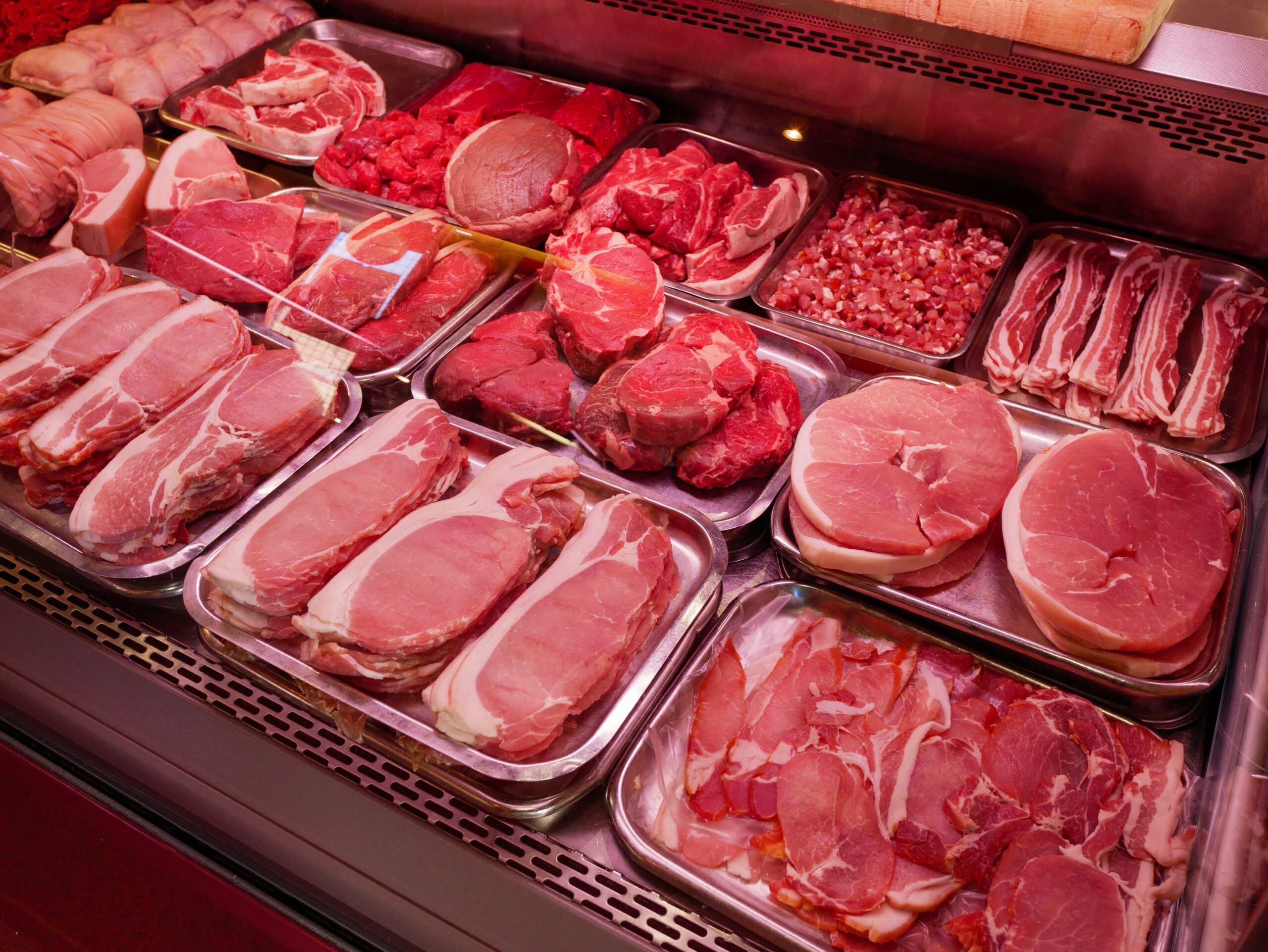
The sections on meat, seafood and dairy are especially interesting. Take dairy, which has a broad range of issues, including that dairy farmers struggle to make enough money because of milk pricing and oversupply; that dairy consumption is generally in decline; that two-thirds of the world’s adult population is now understood to be lactose intolerant; that it’s possible to get plenty of calcium from nondairy sources; that industrial dairy production is terrible for the environment; and that the industry has a long history of wielding influence over dietary guidelines. You might expect Nestle to come down hard telling you to avoid milk. Instead she ends the section with a very evenhanded directive about the specific product but still calling out the larger problem, saying: “Dairy foods are foods. They can be part of healthful diets but are not essential … but I want the dairy industry to stay out of matters of public health or dietary guidance policy.” Classic Nestle!
About those dietary guidelines: The new ones that were released last week were adjusted from the last version to reflect a friendliness toward previously forbidden foods including saturated fats (meat, mainly), a call for more whole milk dairy and an overemphasis on protein. Many nutritionists, including Nestle, have weighed in expressing incredulity and frustration at the call for more protein and saturated fat. Did I mention our own government, and their susceptibility to industry influence, is part of the problem? So, who can we trust? Marion Nestle, I assure you.
Get the latest food news from FoodPrint.
By subscribing to communications from FoodPrint, you are agreeing to receive emails from us. We promise not to email you too often or sell your information.
Top photo by Minerva Studio/Adobe Stock.
More Reading
Plastics are everywhere in agriculture. Why researchers are worried.
January 22, 2026
What to make of the new dietary guidelines
January 9, 2026
MAHA wants to reform food, health and scientific systems — why is it ignoring nitrates?
December 18, 2025
Can legal challenges against ultraprocessed foods get us to take them seriously?
December 11, 2025
Can MAHA succeed at making America healthy again?
November 19, 2025
How urban orchards improve a community's access to fresh, healthy food
October 30, 2025
School meals are about to get a lot less local — and less healthy
October 22, 2025
The meat industry smeared the Planetary Health Diet. Now its creators are back with more evidence.
October 10, 2025
How to avoid eating microplastics and chemicals in plastic
September 25, 2025