
The unexpected role of hair, fur and wool in sustainable agriculture
“Airplanes have been changing the flight routes of where birds fly …” said Lisa Gautier, president and founder of the nonprofit Matter of Trust. “We’ve been vacuuming up all of our own hair and our pet fur. We’ve been corralling animals in with fences. We’ve been changing the migration routes of animals with our roads. And so, quietly over the last couple 100 years, we’ve been changing how much animal fiber hits the ground, and nobody thinks about it.”
But perhaps we should — since falling hair, wool and fur nourish the soil. However, impacts to biodiversity — including an 85-percent decline in the biomass of wild terrestrial mammals over the last 100,000 years — have altered this process. On the bright side, we’re an abundant mammal with resources to spare. In fact, we generate about 810,000 tons of waste hair each year, while our pets and livestock create tons of fur and wool annually.
Nonetheless, we send much of this excess hair and fur to landfills. Since fleeces, manes and coats are predominantly composed of keratin — a protein also found in nails and hooves — they break down slowly. As a result, they can overcrowd landfills and emit methane as they decompose in this oxygen-deprived environment. Further, hair and wool are often burned for disposal, releasing even more greenhouse gases.
But those locks have a silver lining. The quiet fiber cycle, a term coined by Matter of Trust, describes a process of recycling hair, fur and wool to regenerate the soil and promote ecosystem health. And, the idea has taken root with recycling companies, nonprofits, farmers and researchers alike. They’re crafting an otherwise wasted resource into renewable alternatives to synthetic fertilizers and mulch. Plus, they’re lowering agriculture’s footprint and mitigating climate change.
From clippings to compost
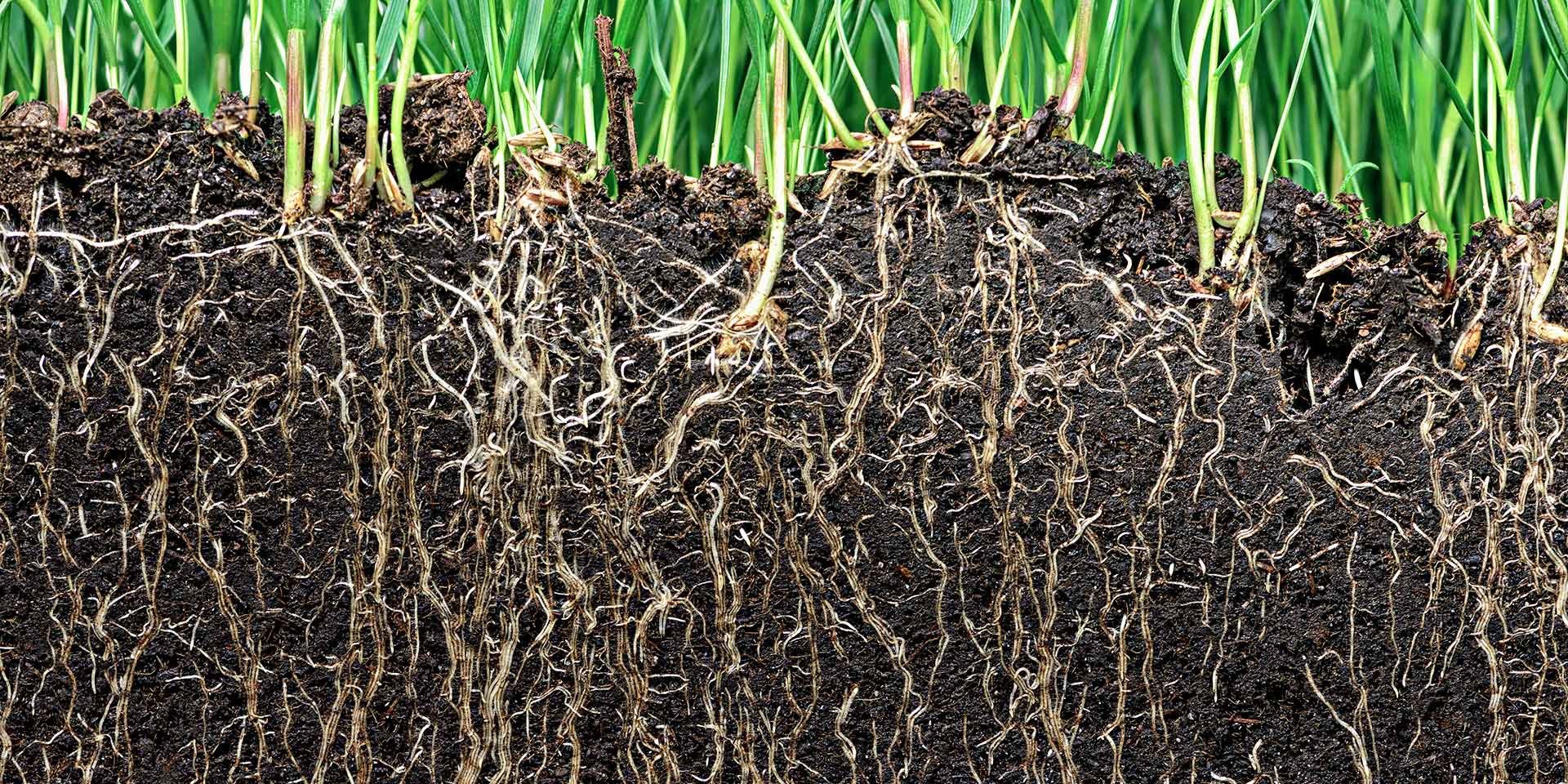
It may be surprising that hair (which in this context also includes animal fur and wool) can be used in agriculture, but it has high levels of nitrogen, along with other plant nutrients like sulfur, phosphorus and potassium. As a result, it’s useful for creating mulch, compost and fertilizer.
To create these products, the fibers are first collected from salons, pet groomers and farms. They are then sorted to remove any debris or contaminants. For compost or mulch, hair is typically mixed with other organic materials, which add nitrogen and moisture. Hair can also be cleaned, dissolved and mixed with water to create a liquid fertilizer. Since hair and fur grow abundantly — around 6 inches per year — they can be produced on a large scale.
While they’re used like any other agricultural product, these natural alternatives provide a variety of benefits — reducing greenhouse gas emissions, sparing landfill space and mitigating the environmental cost of synthetic products. Plus, these fiber-filled alternatives can even outperform the original product. A study on chili peppers found that a fertilizer derived from human hair promoted growth better than commercial fertilizer.
These products also benefit the soil. For example, a compost made from wool, human hair or pet fur, mixed with other ingredients like food waste, grass clippings, wood chips and manure, can stabilize soil and increase its ability to hold water. While other compost components also absorb moisture, wool holds up to 20 to 30 times its weight in water. It then slowly releases this into the soil. Adding organic material, including hair, also helps soil particles bind together better, reducing the risk of erosion. Further, studies of compost made from fur and hair found that it fell within optimal ranges for nutrient content, moisture and pH, though the amount of organic matter was slightly low.
“It would feed the soil,” said Tina Marie Waliczek Cade, an agricultural sciences professor at Texas State University. “Fiber-y types of things like that can also help capture and hold insects, for better or for worse. Sometimes they can get tangled up in it, but it can also provide a cover for them from weather events. But it also releases nutrients.”
Thankfully, companies founded by hairdressers have long recognized hair’s potential. For example, Green Salon Collective — working across the UK and the U.S. — transforms salon clippings into compost, while also recycling hairdressing foil, aerosol cans, towels and color tubes. Their goal is to create a circular economy by helping hairdressers be more sustainable. Besides making agricultural fertilizer on an industrial scale, they have their hands in a variety of other hair recycling projects — from mulch and mushrooms to textiles.
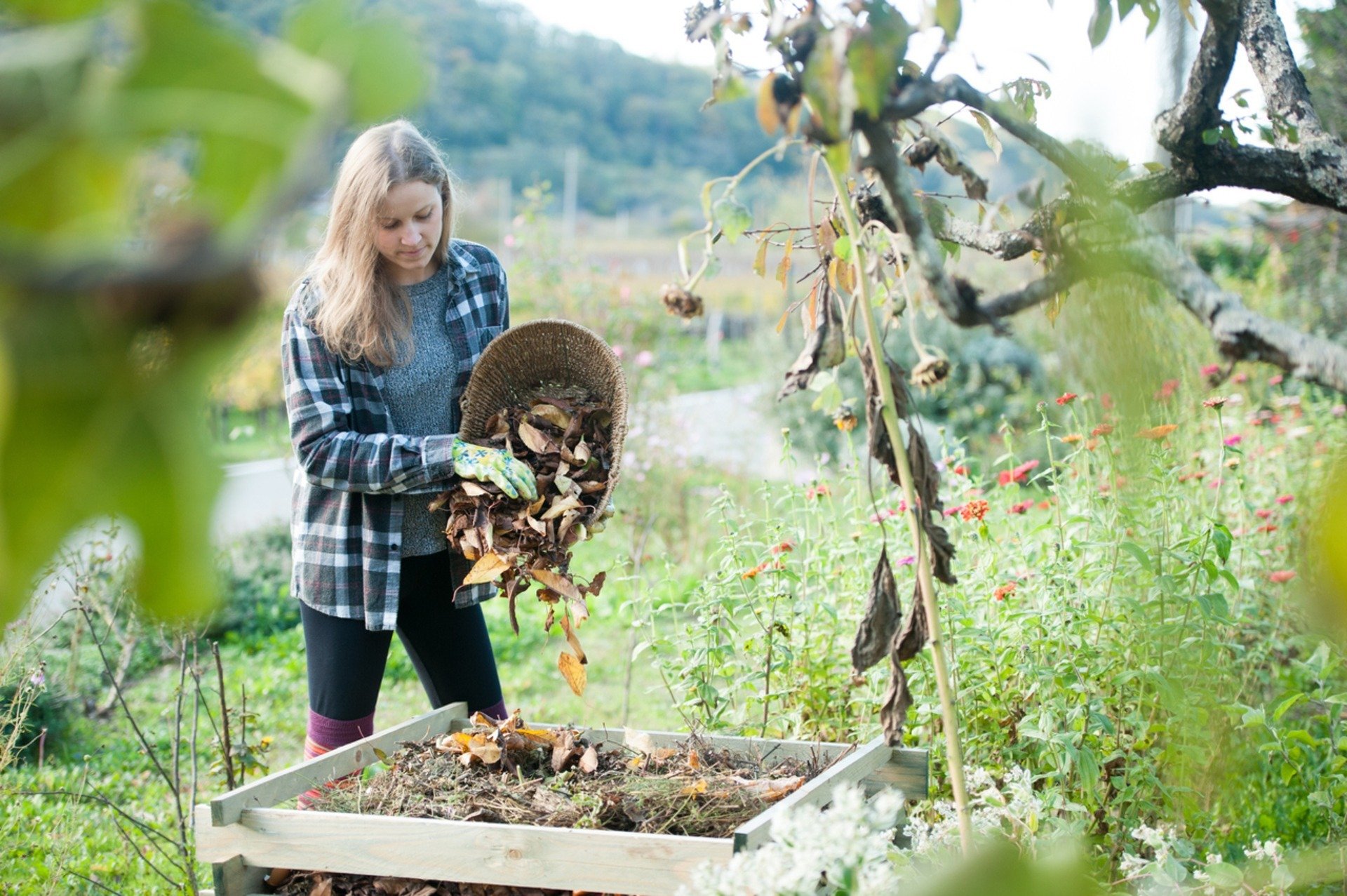
Further, these types of compost have market potential. Cade’s laboratory created compost from wool and other organic materials, which was lightweight and well received by potential customers, who used the product as either compost or mulch. (Compost is typically decomposed organic matter that’s mixed into the soil to impart nutrients and structure; mulch, when made from organic matter, is largely un-decomposed and is placed on the surface as a protective barrier.)
“We even had a focus group where we gave some gardeners the product, and they loved it,” said Cade. “They said, ‘This stuff is the best. Where can I get some more of it?’ Because it does have the clumps of wool that act as a really longer-lasting mulch in comparison to a bark mulch. And it’s able to insulate the soil, and it draws moisture towards the plant.”
Mulch from mammals
Creating compost is just scratching the surface. Clic Recycle, a Barcelona-based circular materials company, turns tons of human hair from salons across Spain, Portugal, France and the Netherlands into biodegradable mulch. Made from a mixture of hair, industrial hemp and natural vegetable fiber, their patented mulch decreases soil erosion, weeds and herbicide use, explained Valérie Itey, founder and CEO of Clic Recycle. Their testing also revealed that it lowers irrigation needs by 40 percent or more. Likewise, Matter of Trust saw similar upsides with its own mulch, made exclusively from hair and fur.
“Hair is hydrophobic, and so the mulch, not only is it a soil amendment, but this is protecting and insulating it,” said Gautier. “But because hair is hydrophobic, the rain and the fog collect on the hair, run down the hair and into the soil, but 50 percent less of it evaporates out.”
And, the nonprofit is putting this mulch to good use — testing its ability to restore grasslands contaminated with heavy metals and toxic chemicals. In San Francisco’s Presidio National Park, Matter of Trust and the Presidio Trust spread plots with either hair mulch, straw mulch, compost, fertilizer or nothing at all. While the results haven’t been formally analyzed yet, the effects appear promising. Lush, green vegetation sprouts from the hair-mulch plots, while the others show only sparse vegetation or bare ground.
Large-scale restoration aside, hair helps on a household scale, too. For example, the Green Salon Collective creates potting felt, or mats made from human hair, for indoor plants.
“There is an advantage to hair breaking down slowly, which we found out with our felt houseplants research,” said Rigg. “Because it’s kind of like you’re putting a supplement pill into the pot of the plant, and over a much longer time, nitrogen is slowly going to be released. So, if you don’t mind having hair or hairy compost on your farm or in your garden, then it is beneficial because it is going to work for a longer period of time.”
Deterring pests, attracting pollinators
Beyond its benefits to the soil, hair has another unexpected perk: pest control. Certain animals, like rabbits, rodents and wild boar, rely on their sense of smell to forage. Consequently, hair spread along field boundaries can irritate their nostrils and deter these herbivores. Other animals, like deer, are repelled by the human scent that lingers in hair, while insects, such as rhinoceros beetles, can become entangled in strategically placed balls of hair in trees.
Plus, hair and wool can attract pollinators such as moths. “Moths are attracted to the fiber, just like they are to your clothes,” said Gautier. “They love fiber. So, they love natural fibers like cotton and linen and all that kind of stuff. … It attracts the moths, and the moths also attract birds and everything. But the moths are better pollinators than bees.”
Putting keratin to work
Besides the boons for the farm field, these natural products show promise in other areas as well. Green Salon Collective’s hair-recycling efforts have diverted more than 225 tons of waste from the landfill since its opening in 2020, while avoiding 14.2 tons of carbon dioxide emissions in 2025. Similarly, an enormous amount of wool — an estimated 50 percent — is wasted in the U.S.
“When wool falls out of fashion, they’ve [sheep farmers] got all of these bales of wool that they don’t know what to do with,” said Cade. “I mean, they even tried to sell it for 10 cents a pound.”
50%
of wool is wasted in the U.S.
However, farmers and entrepreneurs are now transforming this waste into pellets. Besides fertilizing the soil, these wool-filled capsules insulate the soil and suppress weed growth. And, unlike hair, wool absorbs water, retaining moisture for crops.
Using natural alternatives also leaves a much smaller environmental footprint than synthetic products. Compost requires less energy to produce than synthetic fertilizer. And, compost is less prone to run off agricultural fields, which can contaminate waterways and fuel algal blooms. Additionally, thin sheets of plastic are often used for mulch, which are difficult to recycle and pollute the soil with microplastics. While these plastic sheets typically last for only one growing season, recycling or even removing them from the field is challenging.
“When they try to get it out, it’s so thin that it’s everywhere in the soil,” said Itey. “So you have nanoplastic everywhere because it’s impossible to remove it because it’s so thin. … So it’s worse than anything else.”
Instead of the typical plastic sheets, Clic Recycle’s natural mulch is now being used on farms, vineyards, olive groves, parks and around rivers.
Overcoming challenges to widespread adoption
While these alternative products show promise in gardening and agriculture alike, they aren’t without their challenges — including the ick factor that comes with hair.
“I was kind of surprised because, of course, I put these [compost made of hair] into some of our test gardens and I would know that the human hair was mixed in,” said Cade. “Sometimes, if I caught a glimpse of it out of the corner of my eye — specifically a shock of red or gold hair that contrasted with the browns of the regular earth — it would make me jump. And I think that it’s something in our evolution.”
Our visceral reaction may be a response to avoid bacteria and microbes potentially found in hair.
But farmers have been using hair as fertilizer and compost in China and India for centuries. While adoption rates have been slower in the U.S., using renewable products that would otherwise be wasted lowers pollution and greenhouse gas emissions while also sparing landfill space.
“My whole thing is that as a public charity, we want to find stuff that uses the least amount of water and the least amount of energy. And hair, in and of itself, is a very interesting, important structure,” said Gautier. “Fiber — I think there’s something magical about the actual thing.”
Get the latest food news from FoodPrint.
By subscribing to communications from FoodPrint, you are agreeing to receive emails from us. We promise not to email you too often or sell your information.
Top photo courtesy of Matter of Trust.
More Reading
Can nutritious and sustainable hickory oil compete in a crowded cooking oils market?
March 19, 2026
Oats can improve soil and water quality. All that’s missing is a market for them.
March 12, 2026
Your guide to buying and preparing a heritage turkey or pastured turkey this Thanksgiving
November 18, 2025
How urban orchards improve a community's access to fresh, healthy food
October 30, 2025
The meat industry smeared the Planetary Health Diet. Now its creators are back with more evidence.
October 10, 2025
From Ludacrisp to Cosmic Crisp: How new apples are bred
October 8, 2025
Can recycled soil blends support a more sustainable future?
September 5, 2025
This fall, get involved in one of these campus sustainability initiatives
August 26, 2025
Preserving heirloom date varieties in the Coachella Valley
August 21, 2025