
How to host a sustainable dinner party
Eater declared 2024 the year of the dinner party. Southern Living assured us 2025 was the year of the dinner party. FoodPrint’s calling it: Those years were warmups. 2026 is certainly, without a doubt, the year of the dinner party — but make it sustainable. Food prices are skyhigh. The loneliness epidemic is ongoing. Climate change is accelerating and the federal government is stepping on the gas. What should we do to soothe our anxiety and be part of a community doing things differently and better? Invite friends over, maybe even a few strangers, and share your food and your values with them. Throwing a dinner party with sustainability in mind is easier than you think.
As Natasha Pickowicz explains in her upcoming book, “Everybody Hot Pot,” which we feature below (stay tuned), “By hosting and sharing we create moments that are bigger than ourselves, bigger than a single ingredient or dish or tool.” Which is to say, don’t stress about what to serve. Go easy on yourself. You don’t need to wow everyone; you have done something wonderful by providing a vehicle for people to gather together and eat, a worthy endpoint in itself. Here’s how to pull it off, without breaking too much of a sweat.
Use real dishware instead of paper and plastic
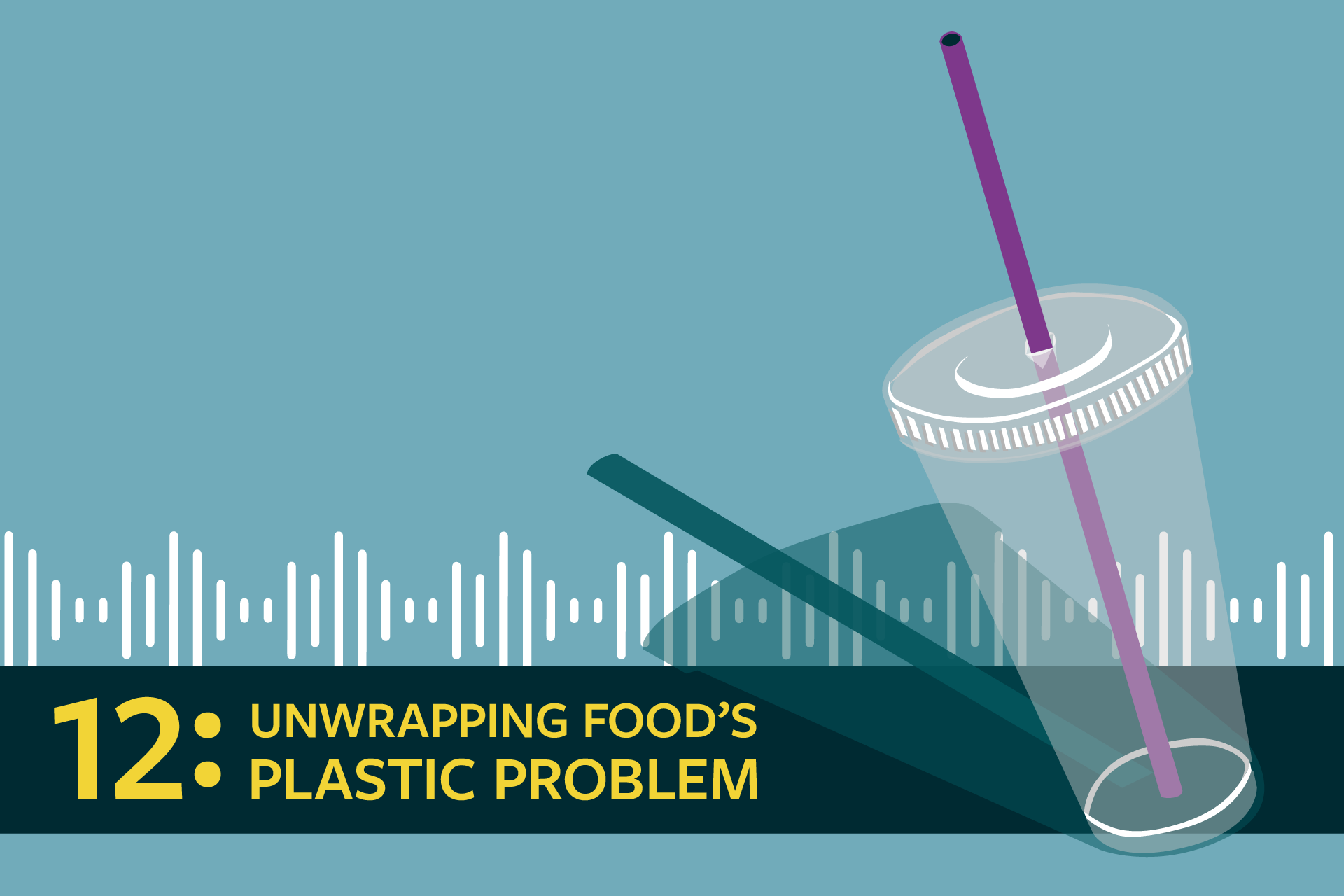
It’s tempting, especially as the number of guests creeps upwards, to skip the dishwashing and go for disposable plates, cups or flatware. If you’re able, stick to your real dishware, even if it means not everything matches and maybe, just maybe, not everything is a plate! Mix up plates and bowls; serve dessert in cups and mugs; anything goes. If you really can’t pull it off with what you have on hand, you could even ask people to BYOP(late) and have a washing party at the end (or send people home with dirty plates). If your guests push back, convince them of its importance by sharing the plastic episode of our podcast, “What You’re Eating.” It’s your house, you make the rules!
Eat down your pantry or freezer
Build your menu around food you already have. If you’ve got a bag of beans hiding out in the pantry, start with a bean dip or make vegetarian chili your main. A freezer full of corn-cob stock can become the base of your soup course; an unopened jar of gifted preserves can go on a cheese board or between layers of a cake. Take stock of what you have and start dreaming of menus based off of those tentpole ingredients. Don’t forget to look at your leftovers, too! A stale loaf of bread would make a nice savory bread pudding. Uneaten steamed vegetables can get folded into a frittata. If you end up going the stale/leftovers route, you can find a world of inspiration in Tamar Adler’s “The Everlasting Meal Cookbook.” You’ll be reducing food waste and showing people how they can do it, too.
Serve less meat or no meat
Show people how easy it is to have a hearty, delicious meal that doesn’t have a hunk of meat at the center. One way we can decrease our foodprint — the impact that the food we eat has on the environment, animals and people — is to eat animal products that are pasture-raised rather than factory farm–raised, and to eat much less of them. Use a little bit of pasture-raised bacon or ham hock to flavor a pasta dish or soup. Choose tofu as your main course protein or make beans the star (see below).
Dish up some beans
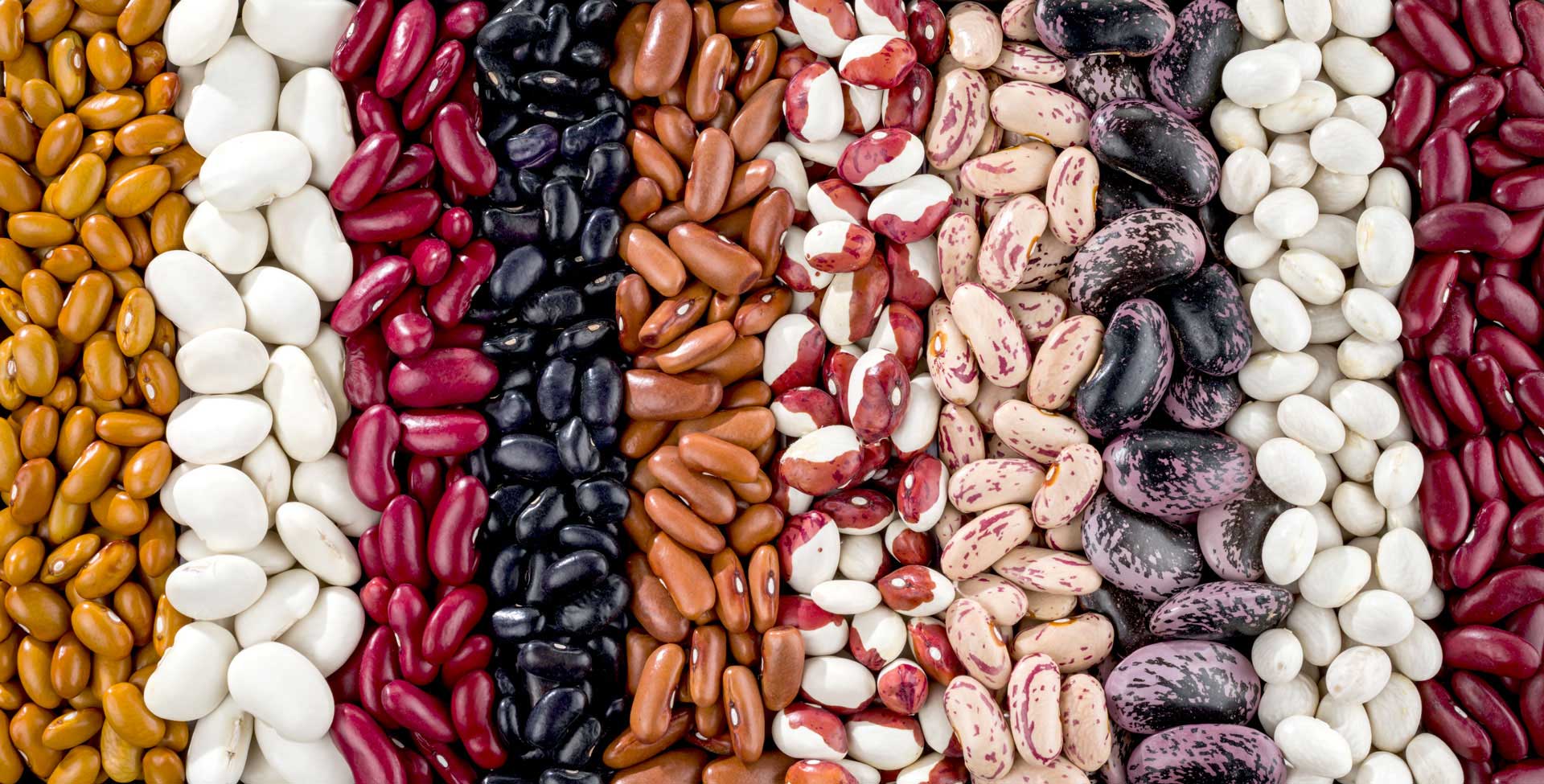
Have you met us? We’re cuckoo for beans here at FoodPrint, and with good reason. Beans are delicious, versatile, climate friendly and protein-packed. You can begin with a bag or a can and end up with a dip, a stew, a salad or a casserole. We have so many great resources to get you started, including advice for how to cook with dried beans, guidance for beginning with canned beans, and eight essential bean cookbooks to help you brainstorm recipes. You can wow your guests with beans, without a doubt, even if the wow is something like “Wow, I never knew beans could be so good!”
Eat seasonally and locally
When possible, start your menu planning with a visit to the farmers’ market or a peek inside your CSA box. Focus on a menu that helps the season’s best produce shine. Studies indicate that seasonal food can be fresher and more nutritious than food consumed out of season. And by purchasing in season from local farms, your food dollar goes directly to farmers, supporting your local economy and avoiding the environmental impacts caused by shipping foods thousands of miles, often refrigerated. Need help figuring out what’s in season near you? Our Seasonal Food Guide can help. Here’s a sample summer menu, and here’s a late fall one, just to get your wheels turning. Of course, you can always dip into the seasonal produce you put up last summer: Grab your frozen berry stash, unearth your canned tomatoes, find a home for your pickles. It doesn’t have to be fresh to be seasonal!
Gather round a hot pot
In her newest cookbook, subtitled “Creating the Ultimate Meal for Gathering and Feasting,” internet fan fave chef Natasha Pickowicz breaks down the nuts and bolts of the East Asian tradition of boiling vegetables, meat and seafood in a bubbling broth at the communal table. She presents hot pots as a delicious way to bring people together, one where you can show off the season’s best proteins and veg. It can be “a magical event where everyone becomes best friends,” she asserts, while also being a vehicle for elevating the humblest of ingredients, including whatever it is you happen to have in your fridge that needs to be eaten up before it goes bad. It can be veg forward, pickle-licious and doesn’t necessarily require any special equipment, as she explains in the book.
Make it a potluck
According to a recent New York Times op-ed, “The potluck went mainstream during the Great Depression, as a way for poverty-stricken communities to ensure every person could eat with dignity.” With food prices soaring, and a pervasive economic uncertainty (as well as other types of uncertainty), potlucks have as many virtues to offer in 2026. People bring what they can access and afford. People come together in community, and can use any of the tips we offered above to make it a more sustainable gathering. Those who have less can bring less and those who have more can bring more. You could, as food writer Lukas Volger recommended in a recent Substack post, focus the potluck around one cookbook, either having everyone make a dish from it or just talking about the book together.
Send people home with leftovers
It would be a shame if, after all of your hard work to make this party greener, you threw away what was left at the end. Food waste is not only scraps and leftovers in the garbage: It’s a waste of all the resources that went into producing that food to begin with, including water, energy and labor. On top of that, when uneaten food is disposed of in landfills, it gradually breaks down to form methane, a potent greenhouse gas that contributes to climate change. You can be a part of the solution by reducing household waste — starting with this li’l dinner party you’re throwing. Encourage your guests to bring takeaway containers and send everyone home with an edible memento.
Get the latest food news from FoodPrint.
By subscribing to communications from FoodPrint, you are agreeing to receive emails from us. We promise not to email you too often or sell your information.
Top photo by Photographee.eu/Adobe Stock.
More Reading
Can nutritious and sustainable hickory oil compete in a crowded cooking oils market?
March 19, 2026
Tradwives, MAHA Moms and the impacts of "radical homemaking"
December 10, 2025
The FoodPrint guide to beans: Everything you need to know to buy, cook, eat and enjoy them
November 18, 2025
Your guide to buying and preparing a heritage turkey or pastured turkey this Thanksgiving
November 18, 2025
How Miyoko Schinner upped the game for vegan dairy
November 7, 2025
30+ things to do with a can of beans
November 4, 2025
In a beefy moment, beans?
November 4, 2025
Waste not, want not with “Ferment,” a new cookbook by Kenji Morimoto
October 1, 2025
For these cocoa farmers, sustainability and the price of beans are linked
September 17, 2025