


Your guide to buying and preparing a heritage turkey or pastured turkey this Thanksgiving
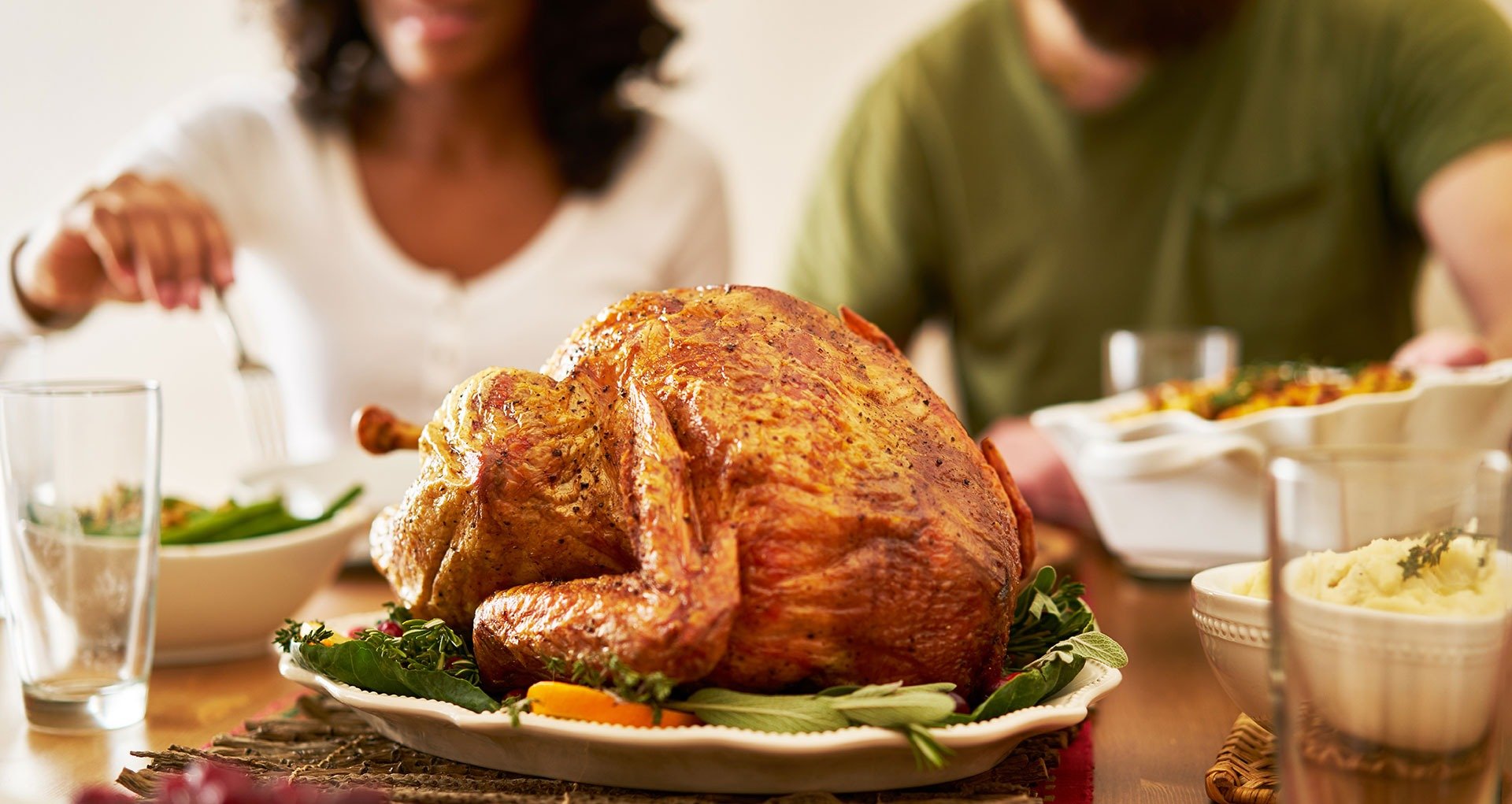
When preparing your Thanksgiving menu, it’s tempting to do things the way you’ve always done them. Supermarket turkey? Check. Stuffing the way grandma made it? Check. But if you’re open to doing things differently, and lowering your Thanksgiving foodprint — by having a meal that is better for animals and the environment — consider buying a pastured or heritage bird.
Pastured or pasture-raised turkey
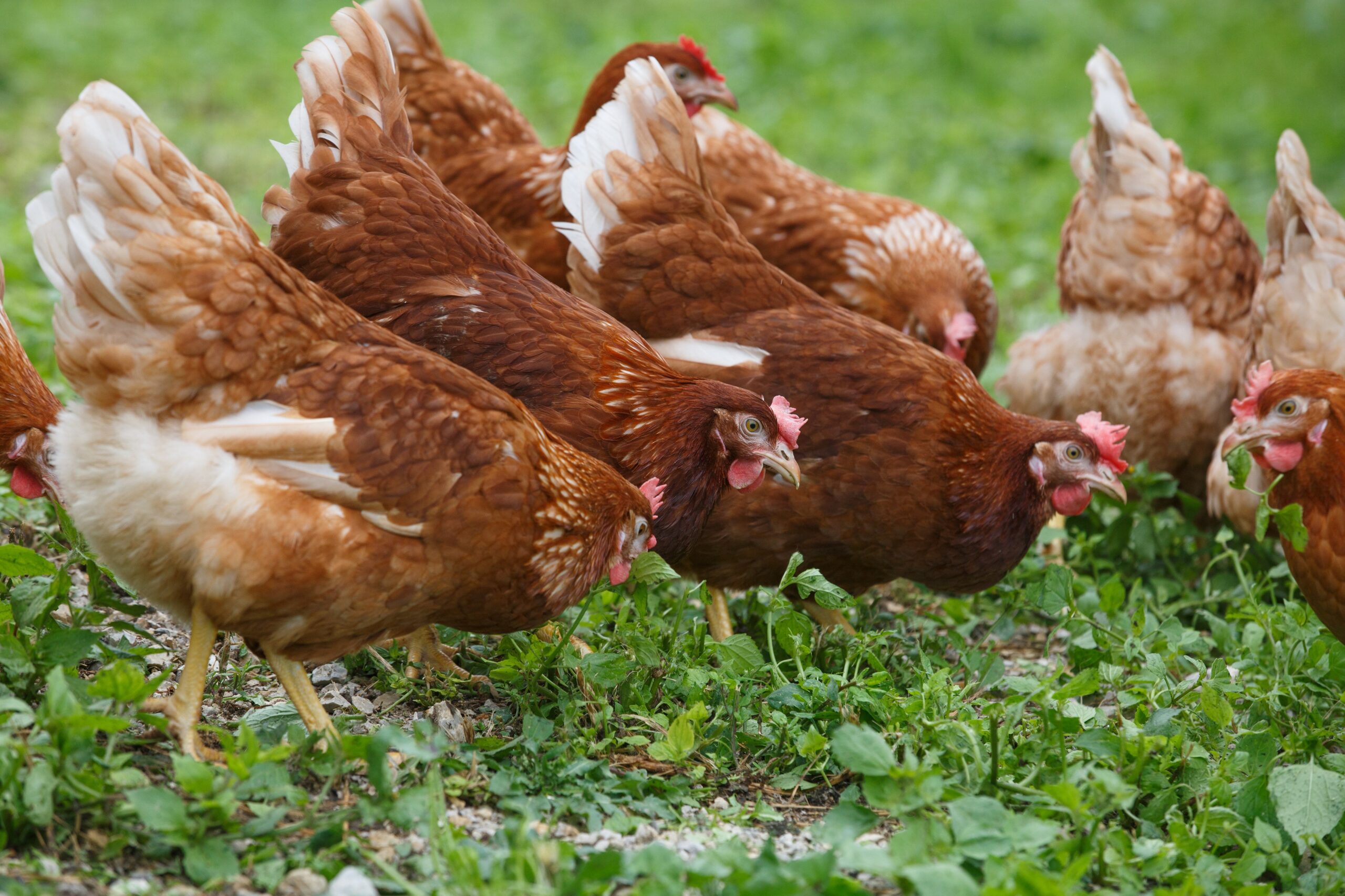
Unlike their industrially raised counterparts, pastured birds (also called pasture-raised birds) are able to follow their natural behaviors, living on grass and foraging for insects and worms. They are able to develop muscles from moving around, which in turn imparts better flavor to their meat.
Heritage turkeys
Like the word “heirloom,” “heritage” refers to breeds that have remained unchanged over many generations. Heritage turkeys are prized for their flavor and not necessarily their size. They’re completely different from Butterball and other commercially raised turkey breeds, which have been bred to produce the maximum amount of breast meat in as short a time as possible.
Animal welfare on pastured and/or heritage turkey farms
Pastured turkeys and heritage turkeys tend to live better lives than those raised in the confinement of concentrated animal feeding operations (or CAFOs). In 2014, Butterball announced that its turkeys had been American Humane Certified, but as animal welfare labels go, this is not a very meaningful one, indicating only minor improvements in conditions at best. If you truly care about animal welfare, a pasture-raised or heritage bird is a better option. Some pastured or heritage turkey producers will have certifications (indicated on the packaging), such as Animal Welfare Approved, one of FoodPrint’s top picks, or Certified Humane. You can learn more about poultry labels in our Food Label Guide — and more about turkey production in our piece on the true cost of industrially raised turkeys.
Cost
When you buy a heritage or pastured turkey, you will pay more — especially when some supermarkets offer Butterballs for free at holiday times — but you will be supporting a small- to mid-size producer, who has raised their birds more humanely. Think about adjusting for the added costs by serving less turkey per person and doubling up on sides. Everyone’s in it for the green bean casserole anyway.
How to find a heritage or pastured bird
A great place to start is your local farmers’ market (or farm, if you’re lucky enough to live near one). Specialty food stores will often sell pastured or heritage birds around the holidays — talk to a manager if you’re wondering whether they’ll be in stock. Independent or natural food stores — from small co-ops to Whole Foods — may have them as well. For a fairly robust online list of pastured turkey producers, check out the Food Animal Concerns Trust (FACT) pastured turkey directory. For heritage turkeys purchased online and delivered to your door, check out Heritage Foods USA, an online retailer that sells birds raised by renowned breeder Frank Reese.
How to cook a heritage bird
Heritage birds are quite different from mass-produced supermarket turkeys, and require different cooking techniques as well: Brining and cooking “slow and low” will keep the bird from drying out. For tips on how to cook heritage turkeys to maximum deliciousness, watch this YouTube video featuring the Fabulous Beekman Boys.
Get the latest food news, from FoodPrint.
By subscribing to communications from FoodPrint, you are agreeing to receive emails from us. We promise not to email you too often or sell your information.
Top photo by kolesnikovserg /Adobe Stock.
More Reading
10 ways to save money at the farmers market
July 31, 2026
How to spot a true farmers market
July 30, 2026
Beyond fermentation: A new book explores the many methods of food preservation
July 17, 2026
Should you follow expiration dates and sell-by dates?
July 7, 2026
25+ ideas for summer beans
June 30, 2026
Veganism, where art thou? Two new cookbooks have some answers
June 18, 2026
Celebrating beans in Sean Sherman and Crystal Wahpepah's new cookbooks
June 11, 2026
Not your grandma’s Tupperware: A new era of meal prep
May 13, 2026
Bean picnics: Building community one bean at at time
May 6, 2026
Make small changes that add up with our Reduce Your Foodprint Challenge
May 5, 2026