


Beyond fermentation: A new book explores the many methods of food preservation
While fermentation may be the food trend of the moment, Julia Skinner’s new book explores the full spectrum of food preservation techniques.
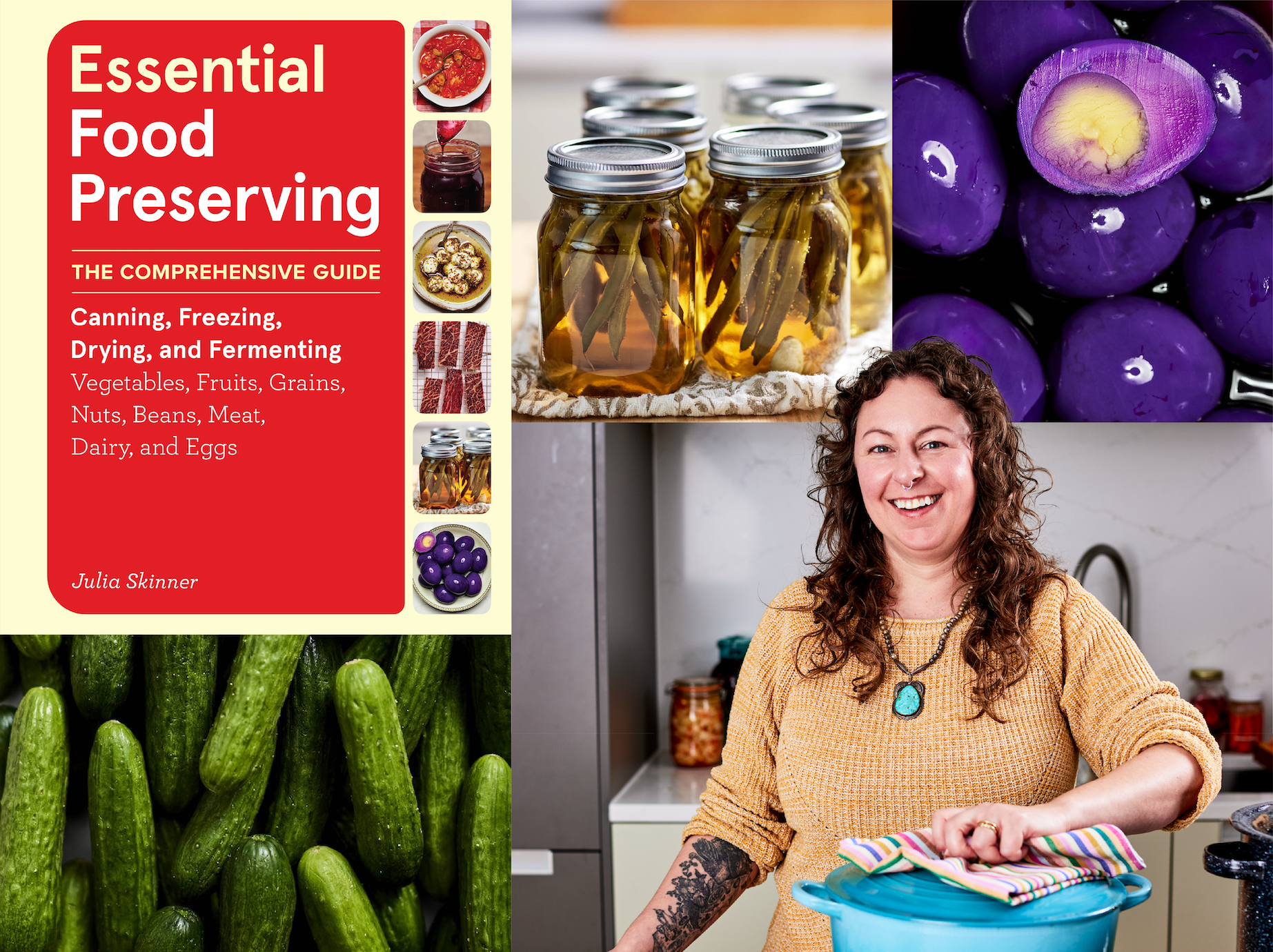
Your garden is teeming with zucchini. The prices at the grocery store are terrifying ($9 for strawberries?!). A rogue thunderstorm knocked out your power, threatening to spoil your gorgeous farmers’ market haul. Whatever the reason — and there may be several in this increasingly uncertain world — knowing how to preserve food is an indispensable skill, one that can help you save money on groceries (by buying in bulk), prevent food waste (by using up wilting produce), and ensure your pantry is stocked should the unexpected happen.
Julia Skinner, a fermentation expert who has written two books on the subject, knows her way around food preservation. In her latest book, Essential Food Preserving, published in May, she explores the myriad arts of “putting up” food: offering lessons on fermentation — the darling of food preservation (more on this below) — as well as freezing, drying, canning, quick-pickling, smoking, salting, brining, fruit jellying/jamming and much more.
Skinner dedicates the first hundred or so pages of this definitive tome to describing each of the techniques in clear detail, with colorful step-by-step photos providing visual reference points along the way. Within the broader methods there are various submethods, too. Take freezing, for example: We learn not only how to blanch produce before its deep freeze, but also how to freeze purees and smoothies in individual cubes, and how to dry pack and syrup pack and sugar pack produce before freezing. In the fermentation and pickling section, we learn how to brine and lactoferment; how to make quick pickles and kraut, koji and country wine. And then we get into the second part of the book, organized by ingredient, where we encounter specific methods for prepping each one.
Having seen a good number of fermentation-specific books in recent years, I was delighted to find a wide range of recipes in this section that go well beyond the usual kombucha or fire cider (though both are included, too). I knew you could brine artichokes, for example — I’ve been plucking them straight out of jars for years — but turn the discarded leaves into an aromatic vinegar or a bitter liquor? That was new to me. As were the processes of drying mushrooms to steep into tea, or transforming mango pits into an effervescent mead. The book goes well beyond the produce aisle, too — covering not only fruits and vegetables but also nuts, beans, homemade cheeses and other dairy, eggs, tofu, tempeh, seafood and even meat.
Our ancestors preserved food as a regular, even daily practice, and so can we.
Initially, I balked at the inclusion of meat and other animal proteins — I eat very little meat, and so preserving it sounded counterintuitive: I couldn’t quite wrap my head around what the finished products would be. But a quick flip through the pages provided all the reminder I needed: Beef jerky, of course! Pickled shrimp, obviously! Smoked salmon, silly! The preserved meats and seafood here are varied and include pickled oysters, salmon and white fish; fermented fish sauce; and numerous variations on smoked ham. Skinner even offers thorough instructions on how to pressure-can meat, should you wish to do so.
The additional reminder here, of course, is that while fermentation might be the food trend du jour, these food preservation practices are not new. Every food culture has its own methods of making the hunt or harvest last, and many of these have been in use for generations. Humans have had to figure out how to extend the shelf-life of our foods since well before the advent of refrigeration, and some of our most flavorful ingredients (miso paste, salt cod, salami, sauerkraut, to name just a handful) are the results of our collective culinary ingenuity. As Skinner says, “We humans are resourceful, and we’ve found a way to preserve the abundance of just about everything. As a result of this millennia-deep, multicultural knowledge, modern cooks are blessed with an expansive, creative toolbox of techniques at our disposal. Our ancestors preserved food as a regular, even daily practice, and so can we.”
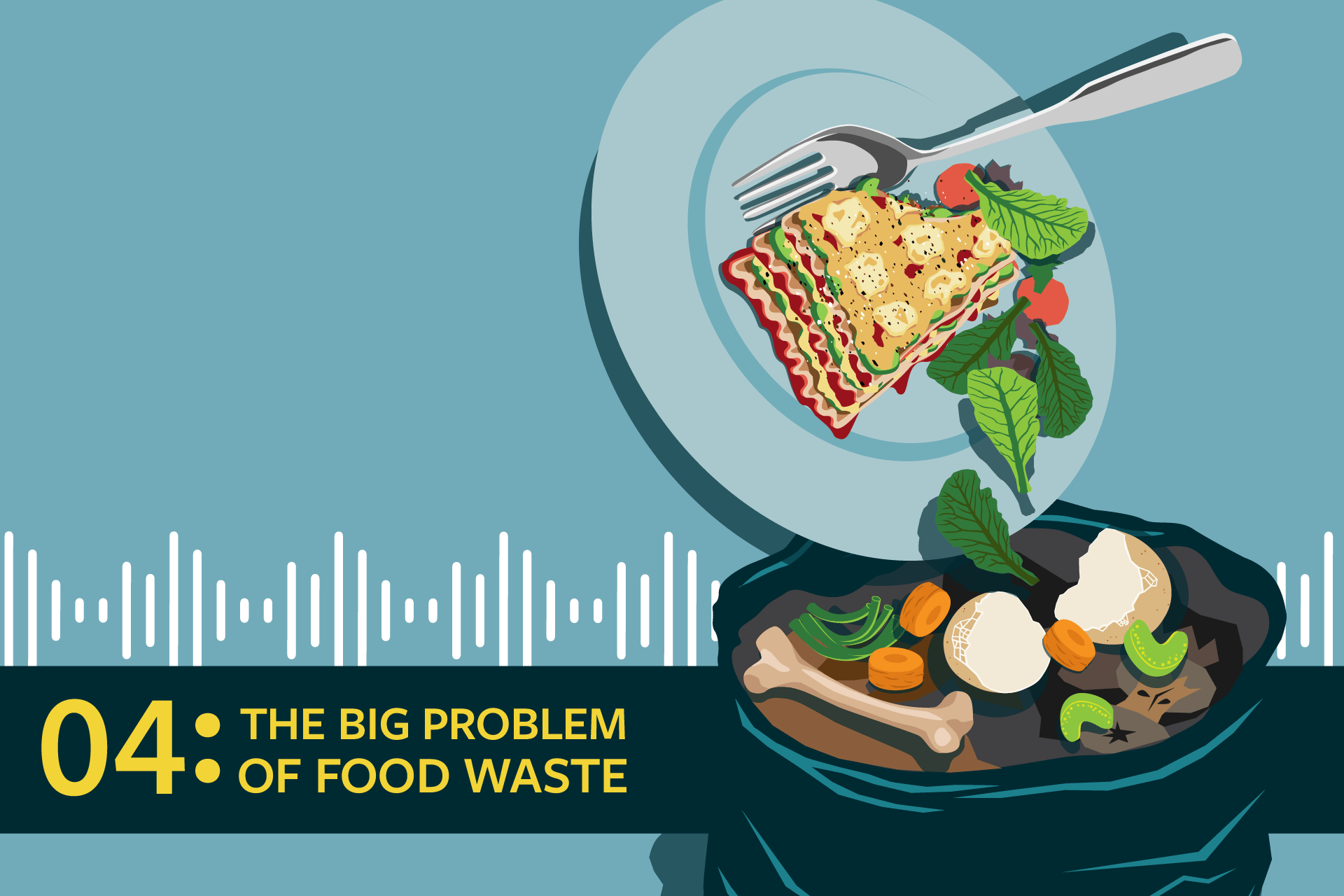
And so Skinner outlines how to use the tools of our ancestors — among them, smoke, salt, acid, heat, cold, and in many cases, time — to transform fresh, seasonal ingredients into ones that keep longer and, often, give our cooking a boost of flavor and texture. The lesson here (beyond the literal ones — of which there are many) is that with abundant preserving options at hand, there’s rarely a good reason to let food go to waste. It’s a powerful lesson considering that food waste has numerous environmental impacts and U.S. households waste 23.45 million tons of food per year.

So the next time you buy citrus in bulk and can’t eat all the fruit, consider salt-preserving them. If a two-for-one sale on eggs leaves you with an extra dozen, make vibrant purple beet-pickled eggs. Strawberry tops can become a tangy pink shrub. Delicate lettuces can bypass the compost by fermenting into kvass — a tender pickle — and its brine, the base of a refreshing drink. Turn slumping blueberries into Blueberry-Lavender Refrigerator Jam, and a glut of gorgeous summer tomatoes into sauce (frozen in cubes), Tomato-Skin Powder (for a handy sprinkle of tomato essence) or Tomato Cocktail Syrup. “Preserving our food isn’t just a tactic for making it last longer,” writes Skinner, “It’s a portal to new flavors and textures — perhaps ones you’d never considered before. … It’s a process of transformation and discovery that always offers us something new to learn.”
Recipe: Choose-Your-Own Adventure Herbal Soda
Makes 1 gallon
The flavor possibilities of this soda are endless. You can use just herbs (as called for in this recipe) or a blend of herbs and spices or flower petals. You can also add fruit, though the extra sugar in the fruit may make your soda ferment more quickly and/or result in a sweeter final product, so bear this in mind. Some of my favorite combinations are lavender and rosemary, rose petal and violet, and blueberry and lavender. This soda works best with fresh herbs or fresh flower petals, but dried herbs can be substituted as long as they are used in tandem with fresh ingredients (e.g., fresh fruit), which provide the yeasts needed for fermentation.
Ingredients
1½ cups sugar
1 cup fresh herbs of your choice
1 gallon water
Method
1. In a 1-gallon crock or glass jar, combine the sugar, herbs, and water, and stir to dissolve the sugar.
2. Cover the container with a tea towel or clean cloth, stirring twice a day for 3 days, or until fragrant and bubbly.
3. Strain your soda and taste. If needed, add extra herbs or other flavorings during bottling.
4. Pour your soda into capped bottles, filling just up to the neck.
5. Seal tightly and allow to sit at room temperature for 2 to 3 days until bubbles are visible. Store in the fridge, where the soda will last for at least 1 week.
Recipe: Fermented Salsa
Makes 1 quart
This is a great way to easily preserve a few tomatoes at a time as they become ripe. My general formula is to fill the jar half to three-quarters full with tomatoes, then one-quarter to half full of “other stuff” (corn, onions, garlic, herbs, cilantro, etc.). Fermented salsa is very flexible! As long as you’ve got some salt to make a brine and enough liquid to cover your vegetables completely, your salsa can look however you want it to.
Ingredients
3 large or 4 medium ripe tomatoes, cut into ¼- to ½-inch dice, juices reserved
½ yellow or white onion, cut into ¼-inch dice or smaller
½ jalapeño, finely diced and deseeded (optional)
3 tablespoons diced fresh cilantro or tarragon, or 1 tablespoon dried
Freshly ground black pepper
1 tablespoon salt
1 cup water
Method
1. Put the tomatoes and their juices, onion, jalapeño (if using), cilantro, and pepper in a quart jar.
2. Combine the salt and the water in a small bowl and whisk until the salt is dissolved. Pour the brine into the jar, leaving ½ inch of headspace. Screw on the lid and shake gently to distribute the salt.
3. Let the salsa ferment for 3 to 7 days at room temperature, shaking and burping once a day. When it’s bubbly and has a flavor you enjoy, place it in the fridge, where it will last for at least 2 weeks. (Note: The texture of the tomatoes gets softer the longer it sits.)
Recipes excerpted from Essential Food Preserving © by Julia Skinner, used with permission from Storey Publishing.
7 recent and upcoming books on fermentation and food preservation
Just as some ferments need to be fed, so too does the ever-growing canon of fermentation and food preservation literature! (In other words, there are lots of books on the topic.) The following titles offer some new perspectives, ideas and recipes for anyone who wants to dabble further or do a deep dive.
- Adventures in Fermentation: From Ancient Origins to Culinary Frontiers, an Exploration of the Microbes That Shape the World We Live in by Johnny Drain
- Cultured: A Global Guide to Fermenting and Preserving Fruit, Vegetables, Dairy, and Grains, with over 150 recipes by Darra Goldstein, Cortney Burns and Richard Martin
- Fermentation: A Natural History by Sandor Elix Katz
- The Fermentation Year: Everyday techniques and recipes to rewild your microbiome by Rachel De Thample
- God Is a Pickle: Recipes and Stories for Preserving the Seasons – A Culinary Journey Through the Czech Republic by Sárka Otevřel Camrdová
- The Little Book of Fermented Foods: The Funky World Where Food Is Alive and Good Gut Health Thrives by Linda Balsley
- A Year of Fermentation: A Seasonal Guide to the Art & Science of Fermentation by Sam Cooper
Related Posts
 Cooking Sustainably, Local Food & Farmers Markets
10 ways to save money at the farmers market
July 31, 2026
Fresh, local, seasonal food is for everyone. Use these money-saving tips to get the most from the farmers market.
 Cooking Sustainably, Local Food & Farmers Markets
How to spot a true farmers market
July 30, 2026
As peak season begins, here's how to spot a true farmers market and know where your produce really comes from.
 Cooking Sustainably, Food Waste
Should you follow expiration dates and sell-by dates?
July 7, 2026
Learn what expiration date labels really mean so you can keep food safe, reduce waste and save money by knowing when those dates matter — and when they don't.