


Should you follow expiration dates and sell-by dates?
Learn what expiration date labels really mean so you can keep food safe, reduce waste and save money by knowing when those dates matter — and when they don’t.
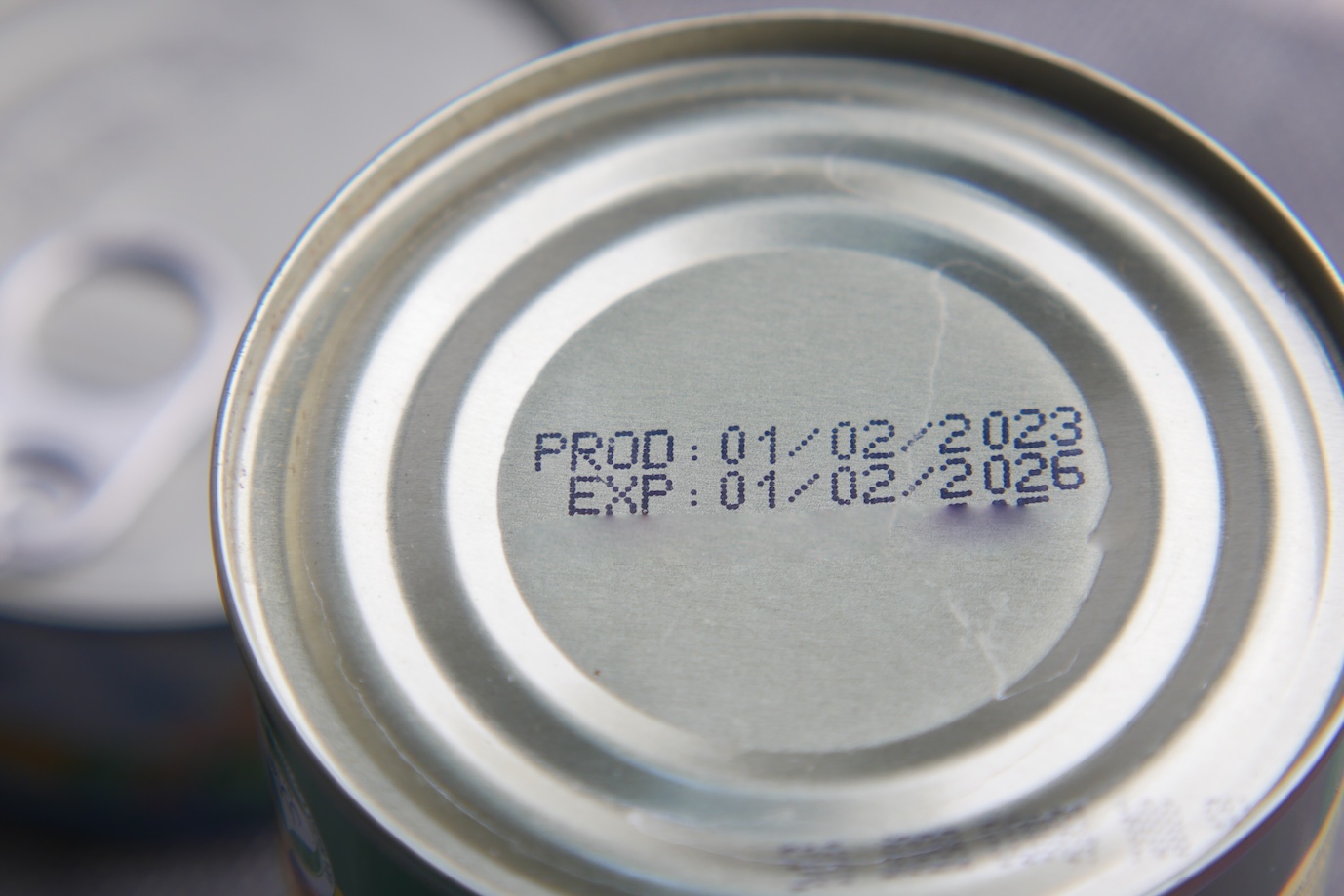
It’s disheartening to spend money on quality ingredients and then discover you haven’t been able to use them up by their expiration date. It’s a waste of money and a waste of all of the resources that went into producing that food. But what does “expiration date” really mean? Is the food definitely inedible? And what’s the difference between a “sell-by” date and a “best-if-used-by” date? What will happen if you eat something after those dates pass? [Insert food poisoning panic here].
Having so many different labels with varying, unregulated and often unclear terminology makes for a confusing consumer experience — one that can lead to food waste at both the marketplace (because shoppers pass over products with swiftly approaching date labels) and at home (because they feel they must toss “expired” products, even if the food itself is perfectly fine). In fact, research has shown that the lack of date-labeling uniformity — some industry experts estimate at least 50 different phrases in use nationwide — is responsible for 20 percent of consumer food waste.

The state of California recently passed a law to address the confusion: Beginning July 1, 2026, food producers must use standardized food date labels and cannot use consumer-facing sell-by dates. But if you don’t live in California, you can still reduce food waste by figuring out which sell-by/expiration dates matter and which don’t — and by building the indispensable skill of using your eyes and nose as a guide.
Expiration date labels: best-by date, sell-by date and use-by date definitions
In most cases, date labels are not that strict; for a lot of foods, they are actually a rough suggestion. In fact, the only federally regulated food date label is the one required on infant formula. Other than that, food-product dating is completely voluntary, and producers tend to be quite conservative. As this spotlight from ReFED points out, such labels are “generally intended to communicate food quality, not food safety;” companies want shoppers to experience their product at its very best and come back to buy it again, so they often set dates early enough to avoid food that tastes stale or flat, something that can happen long before it becomes unsafe, especially in the variable storage conditions you might have at home. Nonetheless, most shoppers and home cooks use these dates to gauge freshness and quality. If this is you, here’s a look at what the terms really mean:
Best-by date: This date guarantees the period of time the product will be at its best flavor or quality — when bread will still be soft or crackers crisp. The food will still remain edible after this date; the label is not indicative of food safety, but of taste.
Sell-by date: This date is determined by producers to inform sellers when to remove items from the shelves. The goal is to ensure consumers receive the item at its optimal quality, which can last for several days to several weeks past the date, depending on the item. Milk, for instance, should last five to seven days past its sell-by date if stored properly.
Use-by date: This is the last day the producer guarantees the best quality of the product. Again, except for in the case of infant formula, this is not a safety date nor a mandatory label.
So why does the food industry use expiration date labels that don’t need to be strictly adhered to? Of course, it’s smart to track the age of a product, so supermarkets don’t put old or bad food on the shelves. And it behooves them to be conservative, both because they don’t want their customers getting sick and because the faster you throw out their product, the more of it you’ll buy over time. But it also behooves us as consumers to learn some common-sense guidelines for using all our food before it spoils and heightening our abilities to spot food that has actually gone bad.
Preventing food waste by understanding what date labels really mean
If you’re willing to let sight and smell be your true guide, you might be able to extend the life of your food and have less of it — and your money — end up in the trash. For some foods, like pantry items (lentils, oats, etc.), it is more a question of taste than a matter of safety — i.e. your lentils won’t taste as yummy, but they’ll be edible past their expiration date. For more perishable items like dairy, eggs, meat and seafood, the stakes are a bit higher, but you can usually use sight, smell and/or touch to tell if something is wrong. Often, it’s a simple question: Is there mold growing on it? (If it’s cheese, you can usually just scrape the mold off and enjoy the remaining cheese.)
Here’s what to look for when figuring out if some common foods that have passed their expiration date have spoiled, as well as tips for keeping track of how long they’ve been in your fridge:
Canned Food
Avoid cans with bulging or popped seals, deep dents or extensive rust that you cannot wipe off. Low-acid foods such as beans, vegetables, pastas and stews can last as long as two to five years; high-acid foods such as tomatoes, tomato sauce and fruit/fruit juice are typically good for 12 to 18 months. (Note that these metrics are for commercially canned foods. Home-canned foods tend to have a shorter shelf-life.)
Boxed stock or nut milks
Take a piece of tape or a sticky note and write the date you opened the box, since the use-by date is often “two weeks after opening.” If it’s a little after two weeks since you opened it, pour it out into a bowl, smell it for off odors and look for weirdness growing in it. Learn more about plant-based milks here.
Milk and yogurt
Chilled properly, milk is usually good for about a week after its sell-by date. Yogurt lasts slightly longer, two to three weeks unopened, or roughly 10 days once opened. Give it a sniff. Does it smell vinegary or has it separated out into clumps? If so, it’s probably gone over. If not, we have ideas for how to use milk and yogurt.
Cheese
Depending on the variety, cheese lifespans range from one to two weeks for soft cheese like Brie to six months to a year for a hard, aged cheese like pecorino. To keep cheese fresh, remove any plastic wrap (which traps air and moisture, reducing shelf-life), and rewrap the cheese in waxed paper, foil or cheese paper. Hard cheeses like Parmesan can be wrapped well and frozen; use up softer cheeses with these ideas before they spoil.
Flours and Rice
White rice and white flour will last for years, but whole wheat flours and brown rice will only last a few months, thanks to the higher fat content in the unrefined grains. Store these in the freezer if you plan to keep them for longer than a few months, and use these ideas for extra rice. You may have heard that reheating rice can pose some risks of foodborne illness; to play it safe, get your leftovers into the fridge quickly and follow these guidelines.
Nuts
If you keep them on the shelf too long, they go rancid. It won’t hurt you to eat them, but they taste awful enough that you probably won’t want to. Avoid this by storing nuts in the freezer. They can be used raw, but will have better flavor if toasted gently in a pan or toaster oven before use.
Dried beans And lentils
Dried beans won’t go bad if you store them too long (they keep shelf-stable for years as long as they aren’t exposed to moisture), but older beans take longer to cook and cook less evenly. Read through our tips for cooking beans to help make your pot delicious no matter how old the beans.
Eggs
Store them in their carton rather than transferring to the refrigerator’s built-in egg holder so you can keep track of when you purchased them. Roughly follow the package dates. Read what to do to use up your eggs before they go bad.
condiments and dressings
Write the date you open jars on a piece of tape or a sticky note. Refrigerated condiments like mustard, mayonnaise, ketchup, pickled relishes, chile sauce and more can last for years. Avoid contamination by always using clean utensils with condiment containers (keep your fingers out of that pickle jar!). Read more about how to power your way through leftover bits of condiments.
What you can do
- Visit our Cooking Sustainably page for more creative tips on using up all of a food so none has to go to waste.
- Check out the USDA FoodKeeper app mentioned in the article to maximize the freshness of food items in your kitchen.
- Learn more about food waste and why it’s important to be a part of reducing how much food we all throw away.
Related Posts
 Cooking Sustainably, Local Food & Farmers Markets
10 ways to save money at the farmers market
July 31, 2026
Fresh, local, seasonal food is for everyone. Use these money-saving tips to get the most from the farmers market.
 Cooking Sustainably, Local Food & Farmers Markets
How to spot a true farmers market
July 30, 2026
As peak season begins, here's how to spot a true farmers market and know where your produce really comes from.
 Cooking Sustainably, Food Waste
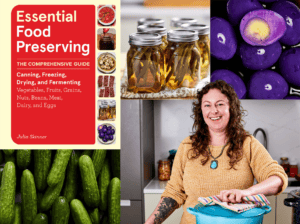
Beyond fermentation: A new book explores the many methods of food preservation
July 17, 2026
While fermentation may be the food trend of the moment, Julia Skinner's new book explores the full spectrum of food preservation techniques.