


25+ ideas for summer beans
Beat the summer heat with these fresh and flavorful bean recipes featuring seasonal favorites like string beans, snap beans, fava beans and more.
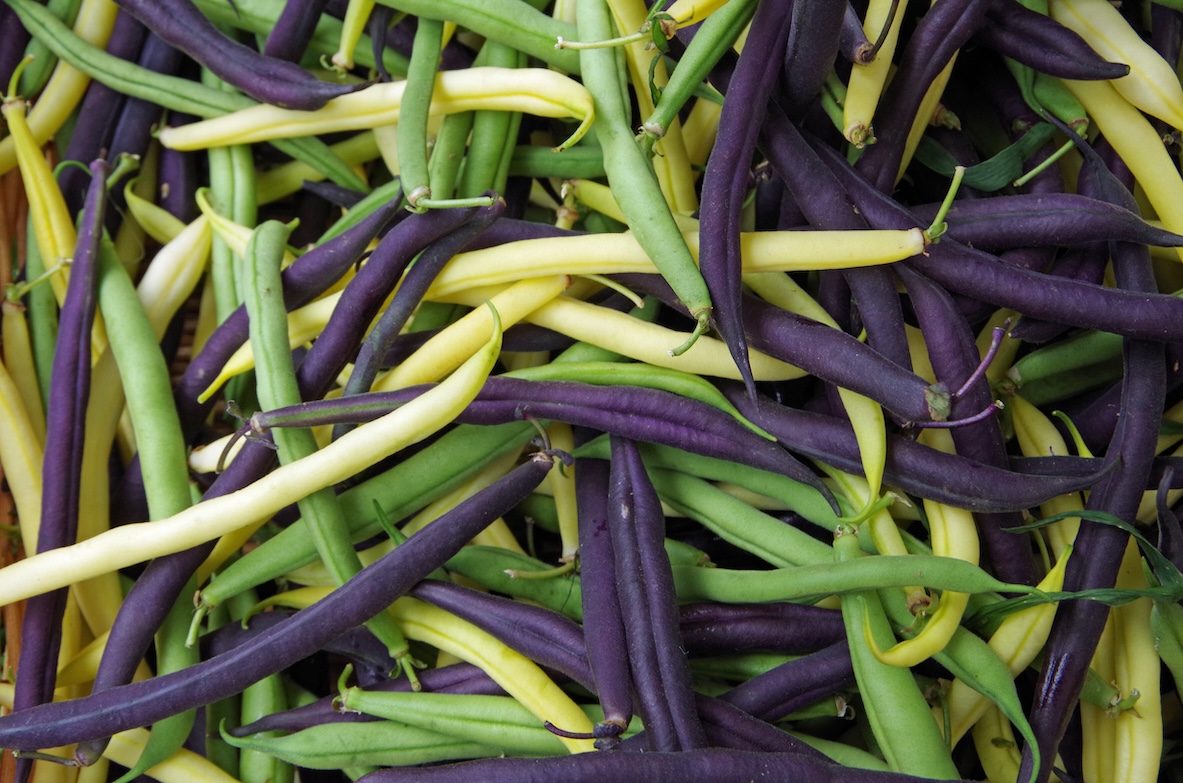
“Cool beans.” More than a cute turn of phrase, it’s also a declaration of fact and a call to action: Beans are cool, and especially when they’re enjoyed cool, fresh summer-season beans and legumes — string beans, sugar snaps, favas and more — are a great way to beat the heat. Served cold and/or raw, straight out of their pods or still in their fleshy casings, or just barely kissed by heat and then allowed to settle to room temp, these tender beans and juicy-crisp legumes are the perfect summer food. Here’s how to prep and enjoy them.


Meet the beans
There are a few types of beans and other legumes in season at this time of year: Snap beans (aka string beans), including green beans, yellow wax beans, Romano beans and purple beans; fava (or broad) beans; and sugar snap peas and snow peas (technically legumes, and familiarly known as mangetout, French for “eat all” because all the parts — both pods and peas — are edible). These veg vary in texture and flavor: String beans and mangetouts are subtly sweet, crisp and juicy; favas are more dense and slightly nutty. String beans, sugar snap peas and snow peas can be eaten cooked or raw — in fact, if you snag some at the farmers’ market or from your own garden, you should absolutely crunch a few straight out of your hand. Favas typically need to be double-shelled and cooked (more on this below).
When it comes to eating any of these veggies, simple preps are best: Think blanch-to-ice bath, a quick saute, a brief char or a chill hang in some marinade or dressing. Most require little effort, which is good, since summer’s dog days may leave you with little to give.
String/snap beans
Select green, yellow (wax) and purple snap beans/string beans that are vibrant in color and look plump. Bend one in the middle — if it snaps apart with a little spritz of juice, it’s great eating. Romano beans, also known as Italian flat beans, come in shades of green, yellow and purple (the least common), grow 4 to 6 inches long, and should also have a zippy snap when bent; avoid ones that are rubbery, woody or bulging with large beans.
Naturally crunchy, light and refreshing, snap beans make excellent summer salads. They tend to absorb flavors the longer they sit (part of what makes them strong candidates for quick-pickling), but can lose their crunch over time. Best to consume string bean salads within 2 to 3 days.
Snap beans pair well with bold flavors, like in this Greek-inspired green bean salad with salty feta and olives, or purple dragon tongue beans with spicy honey mustard dressing. Dragon tongues and other purple string beans tend to chameleon when cooked and will turn mostly or entirely green; if that purple color is what you’re after, try combining the beans with other violet veggies, like this string bean salad with purple cabbage, peaches and balsamic-bitters vinaigrette.
Although Romano beans can be eaten raw, they’re generally best blanched and sauteed or grilled. Romanos will happily share a grill grate with some veggie burgers or slabs of halloumi: Try Pierce Abernathy’s grilled Romanos with preserved lemon and anchovy gremolata or these char-grilled Romano beans with cherry tomato vinaigrette. (And since rules are made to be broken, a side note that they’re also deliciously sweet and sultry when long-cooked.)
Snap beans like the barbecue, too. Check out Pat Martin’s grilled green beans with Memphis dry rub, Gaby Dalkin’s grilled green beans with avocado, herbs and feta, and Chris Morocco’s charred snap beans with whole lemon dressing and mozzarella. Or if you’d rather a smoke-free quick cook, try blanching green beans and topping with shallots and panko or sauteing them in truffle paste.
Sugar snap peas and snow peas
Again, you may find it challenging to get these into your kitchen before nibbling them all raw: They really need very little in the way of heat, though some recipes call for a quick saute, blanch or a smoky char in a hot pan — also delicious. For sugar snap peas, you’ll want to trim or pinch off the fibrous tips and unzip the pods to remove the strings before using (do this gently: the goal is to keep the pods intact). Snow peas require even less intervention: Just trim off any overly fibrous ends.
Salads and raw or nearly raw preps are where these legumes really shine. They’re versatile and go well with other crunchy and flavorful ingredients. Susan Spungen’s sugar snap pea and radish salad is crisp and refreshing, and can be eaten on its own or tucked into a warm flatbread slathered with labneh. Several other crunch-forward options: Minimalist Baker’s snap pea salad with zesty lemon vinaigrette which incorporates pistachios; the Woks of Life’s sesame- and rice wine vinegar-seasoned snap pea salad with toasted almonds; Munching with Mariyah’s chili crisp snap pea salad, bulked up with edamame; and Smitten Kitchen’s snow pea salad with avocado. All of these salads maximize texture by using sliced peapods.
For something a little heartier, toss these legumes into pasta dishes. Alison Roman’s simple, flavorful pasta salad with peas and Parmesan includes snap peas, pea shoots and fresh or frozen peas. Also quick and easy are this 20-minute snap pea pasta and a summer pasta salad with sugar snaps, feta, charred corn and fresh herbs.
Favas
When selecting favas, look for bright green, firm, plump pods; make sure you can feel the beans inside. More mature favas need to be double-shelled, first removing the beans from the larger pods, then peeling off the beans’ individual jackets. Blanching is a standard technique for loosening the tough bean skins, but some cooks prefer a clever freezer method, which sounds especially appealing on a hot day. (Speaking of, favas store well in the freezer, so if you have more than you can eat, stash them in the icebox and you’ll have a taste of summer long after the weather has cooled.) If you’re lucky enough to come across very young beans, typically in early spring, you may be able to bypass the arduous double-shelling process altogether; very supple young favas can be eaten whole, pods and all.
Fava beans are pretty sturdy and will keep in the fridge for 3 to 5 days, depending on accompanying ingredients. Tuck them into salads with creamy cheeses like ricotta (this recipe calls for limas but favas are an easy sub) or salty, sharp cheeses like pecorino (this recipe folds in other flavor bombs like mint, fennel and lemon) or hearty grains, like farro. Star chef Jean-Georges Vongerichten chars favas and tosses them into a warm salad with Parm, jalapeno and tarragon, but simpler combinations — like this one with garlic, cilantro and lime — are also delicious and let the toothsome beans shine.
Fava beans, once cooked to tender and cooled, can be pureed into spreads used for dipping or slathering on toasts. Try them in a fresh fava puree with lemon and garlic, a spicy dip inspired by Saudi Arabian foul gellaba, or blended with Moroccan spices and spread on crostini.
At a glance: summer beans
Get to know the most popular fresh summer beans and the best ways to use them.
- String/snap beans: Enjoy the tender whole pod — great for quick pickling and summer salads.
- Sugar snap and snow peas: Delicious raw in salads but versatile enough to hold up to light cooking.
- Favas: Young pods can be eaten whole but mature pods must be double-shelled and cooked before using.
Related Posts
 Cooking Sustainably, Local Food & Farmers Markets
10 ways to save money at the farmers market
July 31, 2026
Fresh, local, seasonal food is for everyone. Use these money-saving tips to get the most from the farmers market.
 Cooking Sustainably, Local Food & Farmers Markets
How to spot a true farmers market
July 30, 2026
As peak season begins, here's how to spot a true farmers market and know where your produce really comes from.
 Cooking Sustainably, Food Waste
Beyond fermentation: A new book explores the many methods of food preservation
July 17, 2026
While fermentation may be the food trend of the moment, Julia Skinner's new book explores the full spectrum of food preservation techniques.